In This Article
The single most consequential decision in any home solar project isn’t the brand of panel you choose — it’s which of the three basic system types you install. On-grid, hybrid, and off-grid solar solve genuinely different problems, carry very different price tags, and aren’t equally eligible for government subsidy. Picking the wrong one means either overpaying for battery capacity you’ll rarely need, or under-protecting your home against the power cuts you actually wanted solved. Here’s how the three compare, and a practical way to think through which one actually fits your home.
The Three Types of Solar Systems, Explained
On-Grid Solar (Grid-Tied)
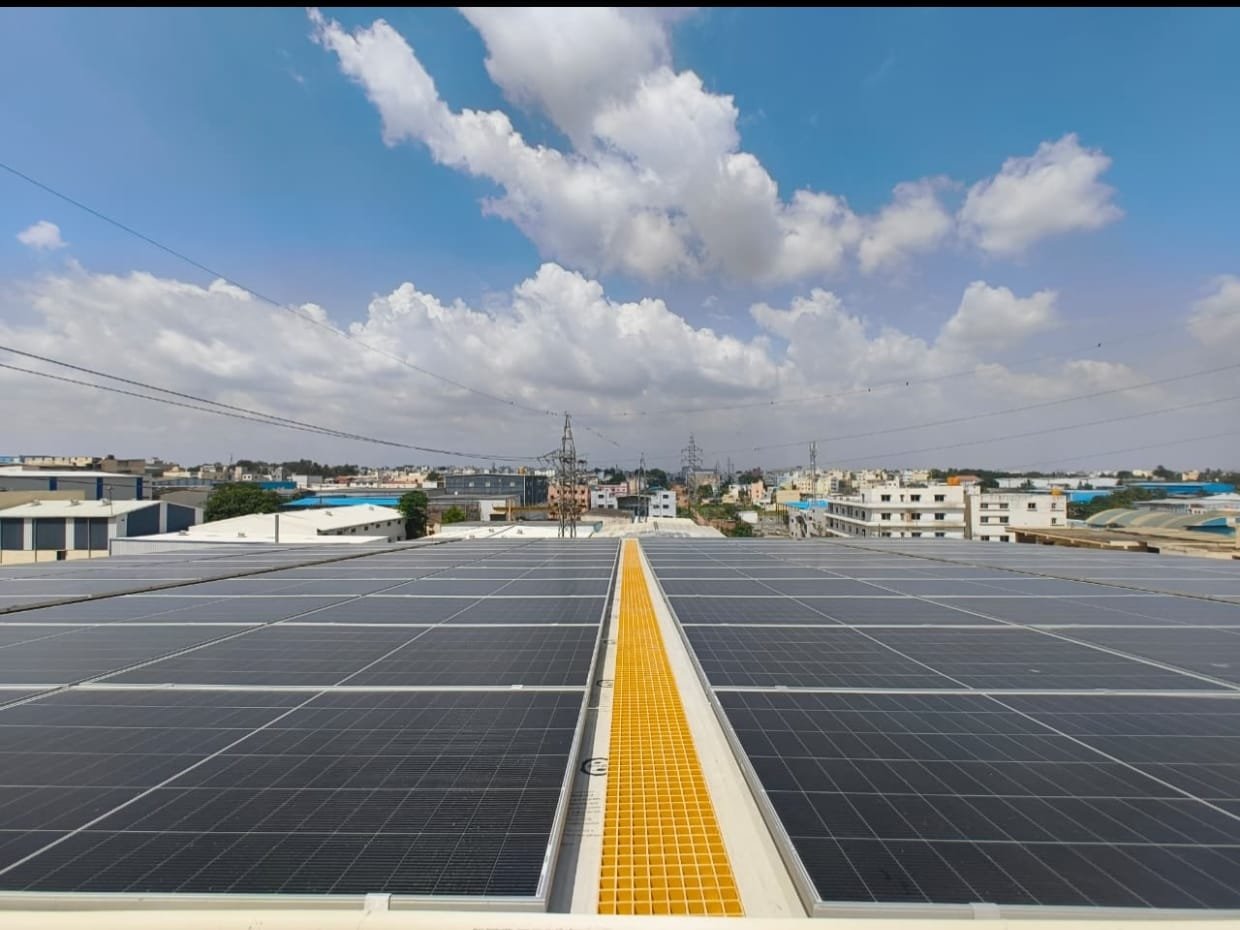
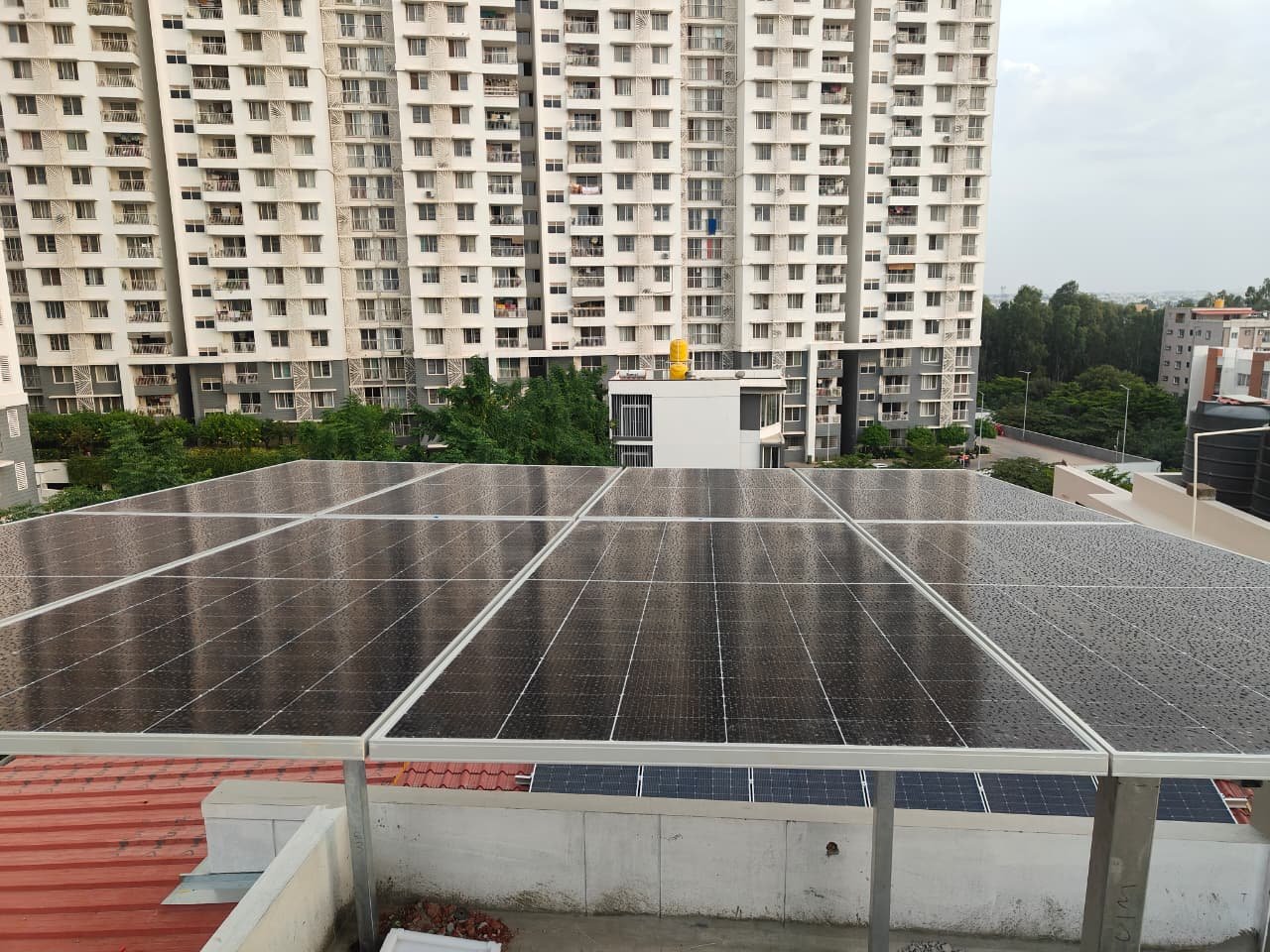
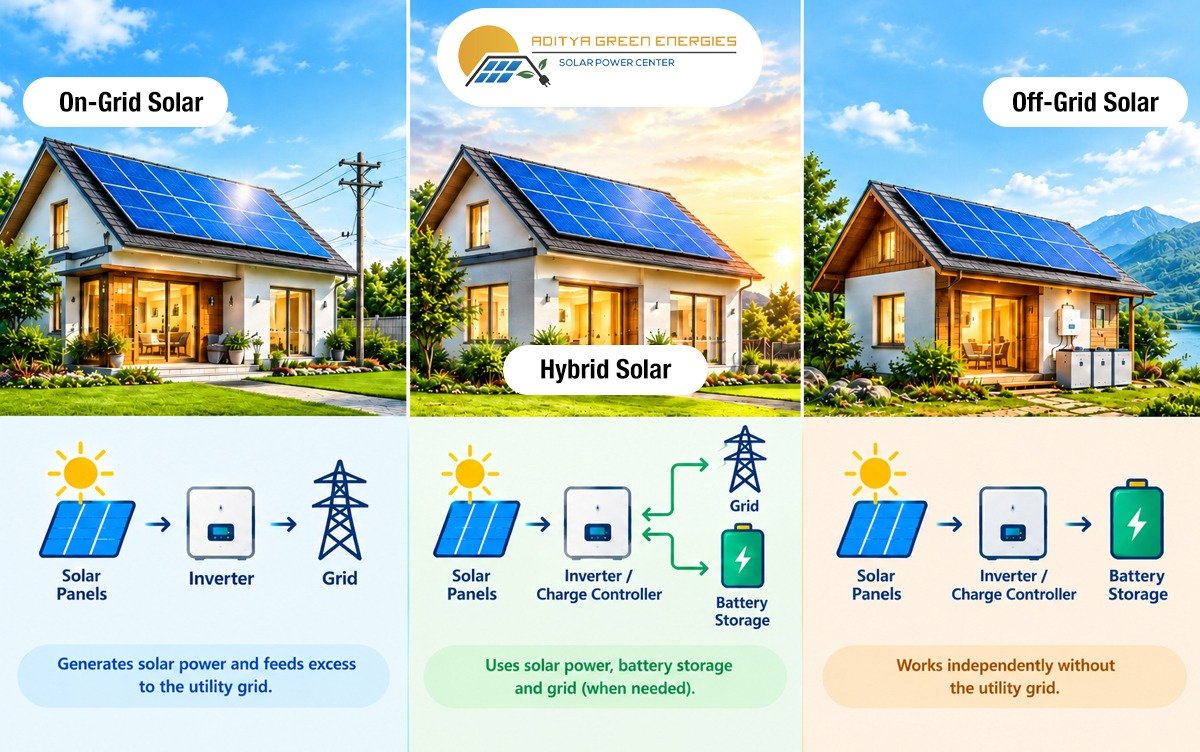
An on-grid system connects directly to your DISCOM’s grid, with no battery involved. Your solar panels power your home during daylight hours, any surplus is exported to the grid through net metering (effectively “banking” credit), and the grid supplies power at night or whenever your solar generation falls short. It’s the simplest, lowest-cost, and most common setup for Indian homes with a reasonably reliable grid connection — but it offers no backup power during an outage, since the system is required to shut down when the grid goes down, for safety reasons.
Hybrid Solar (Grid + Battery)
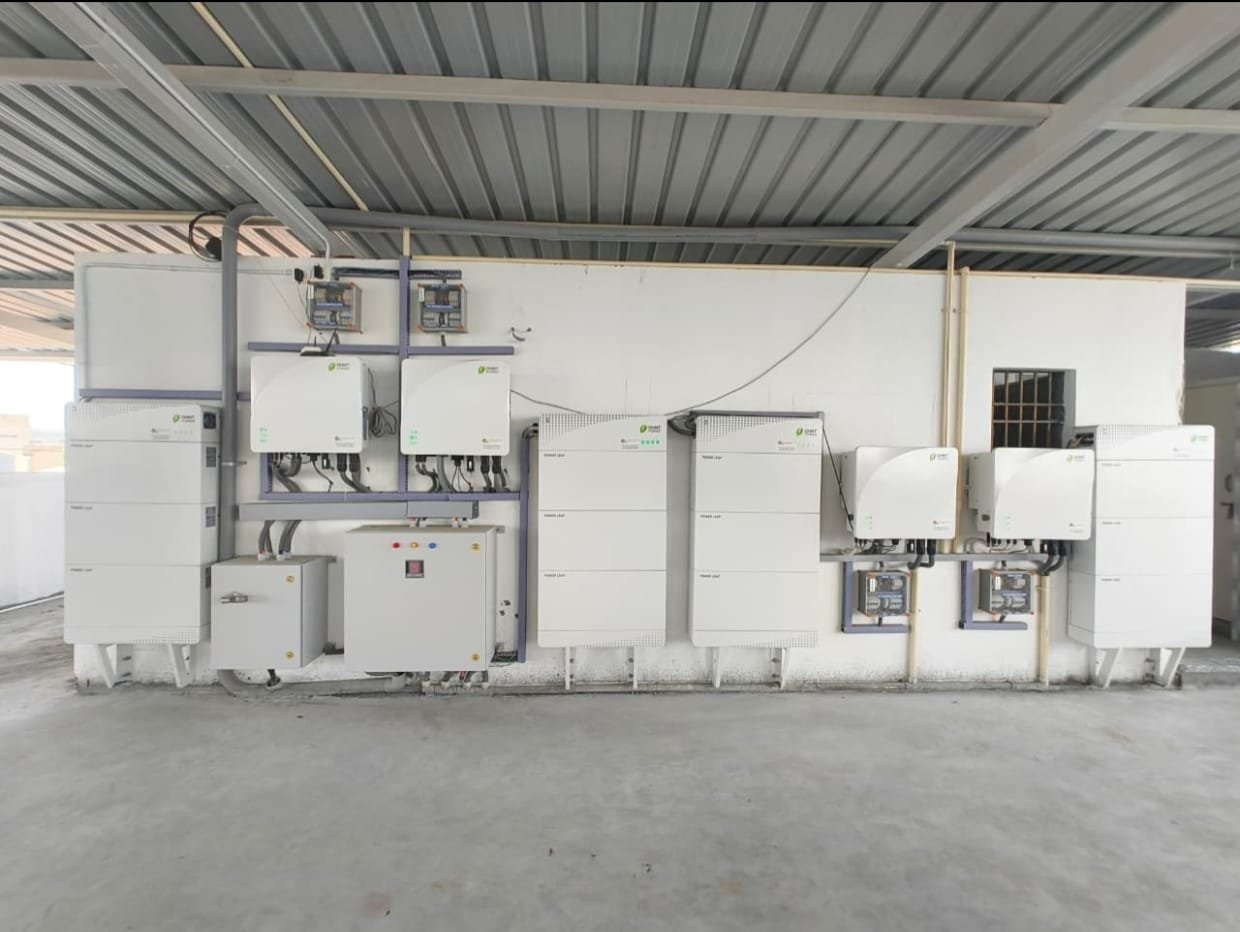
A hybrid system combines the best of both: it stays grid-connected and subsidy-eligible like an on-grid system, but adds a battery that stores surplus solar power for use during outages or at night, rather than exporting all of it to the grid. This makes it the natural choice for homeowners who want both bill savings and backup power, without going fully off-grid. It costs more than a pure on-grid system — primarily due to the battery and a more capable hybrid inverter — but remains considerably cheaper than off-grid, since it doesn’t need to store enough energy to run your home indefinitely.
Off-Grid Solar (Fully Independent)
An off-grid system has no grid connection at all. It relies entirely on solar generation and a (typically much larger) battery bank to meet all of your home’s electricity needs, day and night. This makes it the right choice only where reliable grid access genuinely isn’t available — remote properties, farms, or areas with chronic, severe grid unreliability. For almost any home with a working grid connection, off-grid is also the most expensive option and, importantly, is not eligible for the central government solar subsidy, since that subsidy requires a grid connection with net metering.
On-Grid vs Hybrid vs Off-Grid: Quick Comparison
| Factor | On-Grid | Hybrid | Off-Grid |
|---|---|---|---|
| Grid connection | Yes | Yes | No |
| Battery required | No | Yes (moderate capacity) | Yes (large capacity) |
| Net metering | Yes | Yes | No |
| Power during outages | No | Yes | Yes |
| Central subsidy eligible | Yes | Yes | No |
| Relative upfront cost | Lowest | Medium | Highest |
| Best suited for | Stable-grid urban homes | Homes with occasional outages wanting backup | Remote areas with no reliable grid access |
Cost Comparison: What Each Type Actually Costs
Solar pricing varies significantly by brand, inverter grade, battery chemistry, and installer — so treat the figures below as a general industry range rather than a quote, and confirm exact numbers against your own requirement:
-
On-grid: Roughly ₹45,000–₹65,000 per kW installed (before subsidy) — no battery cost involved.
-
Hybrid: Roughly ₹70,000–₹1,50,000+ per kW installed, depending heavily on battery capacity and chemistry — a system with a small battery sized for a few hours of backup costs meaningfully less than one sized to run your home through a full outage.
-
Off-grid: Roughly ₹80,000–₹1,20,000+ per kW installed, since the battery bank has to be large enough to cover your entire consumption, not just backup gaps.
Battery choice matters a lot within hybrid and off-grid pricing: lithium (LFP) batteries cost more upfront than lead-acid but typically last considerably longer and need replacement far less often, which usually makes them the better long-term value despite the higher initial cost.
Subsidy Eligibility: Why This Matters More Than You’d Think
The PM Surya Ghar central subsidy — up to ₹78,000 for a 3 kW-or-larger residential system — is only available for grid-connected systems with net metering, which means on-grid and hybrid systems qualify, and off-grid systems don’t. For a typical 3 kW system, that subsidy alone can offset a meaningful share of what it would otherwise cost to add hybrid battery backup — which is one reason many homeowners who initially consider off-grid end up choosing hybrid instead, once the subsidy math is factored in alongside the lower ongoing cost of a smaller battery.
- On-GridQualifies
- HybridQualifies
- Off-GridNot eligible
Do You Actually Need Battery Backup?
This is the real decision point for most homes with a working grid connection. Ask yourself:
- How often and how long do power cuts actually happen in your area? Occasional short outages may not justify the added hybrid cost; frequent or lengthy ones often do.
- What do you actually need to run during an outage? Lights, fans, and a refrigerator need far less battery capacity than air conditioning or heavy appliances — sizing the battery to your real backup needs, rather than “everything,” keeps hybrid costs reasonable.
- Is backup worth the extra upfront cost to you, given that on-grid systems still save on your electricity bill — they just don’t help during a power cut.
In areas with a genuinely reliable grid, many homeowners find on-grid delivers nearly all the financial benefit of solar at the lowest cost, and choose to add battery backup later if their needs change — most hybrid-capable inverters can be installed with the battery added at a later stage.
Battery Considerations for Hybrid and Off-Grid Systems
- Lithium (LFP) batteries cost more upfront but generally offer a longer usable life, better efficiency, and less maintenance than lead-acid alternatives — most new hybrid and off-grid installations now default to lithium for this reason.
- Lead-acid batteries are cheaper initially but typically need replacement considerably sooner, which can erode the upfront savings over the system’s lifetime.
- Battery sizing should match actual backup needs, not theoretical maximums — oversizing a battery bank is one of the most common ways homeowners overpay for a hybrid or off-grid system without a proportional benefit.
Which System Is Best for Most Homes?
For the majority of homes with a reasonably stable grid connection, on-grid solar typically offers the best combination of low upfront cost, full subsidy eligibility, and fast payback — making it the default recommendation unless outages are a genuine, recurring problem. Hybrid solar makes the most sense for homeowners who experience regular power cuts and want backup for essential loads, while still keeping subsidy eligibility and a lower cost than going fully independent. Off-grid solar is really only the right call where reliable grid access isn’t available at all — for most urban and suburban homes, it ends up being the most expensive option for a problem that hybrid solves more affordably.
A Quick Decision Guide
- Stable grid, priority is lowest cost and fastest payback → On-grid
- Occasional outages, want backup for essentials without going fully independent → Hybrid
- Frequent, severe outages or no reliable grid access at all → Hybrid (if grid exists) or Off-grid (if it doesn’t)
- No grid connection available at your location → Off-grid is your only real option
- Unsure how much backup you actually need → Start with on-grid or a modestly sized hybrid system; capacity can often be expanded later
Common Mistakes When Choosing a System Type
- Choosing off-grid out of frustration with the grid, without realising it forfeits the central subsidy and costs significantly more
- Oversizing a hybrid battery for outages that are actually short and infrequent
- Assuming hybrid systems get the full subsidy on the battery portion — the subsidy applies to the solar system, not the battery itself
- Not checking whether your inverter choice allows a battery to be added later, if you start with on-grid
- Comparing system types purely on panel count rather than factoring in inverter and battery costs, which often make up the larger price difference
How Aditya Green Energies Helps You Choose the Right System
Picking between on-grid, hybrid, and off-grid isn’t something that should be decided from a generic price list — it depends on your actual consumption pattern, how often your area experiences outages, and what you’re trying to protect during a power cut. Aditya Green Energies’ residential solar installation service starts with a free site assessment that looks at your roof, your BESCOM billing history, and your backup priorities before recommending a system type and size — rather than defaulting to whichever system carries the highest margin.
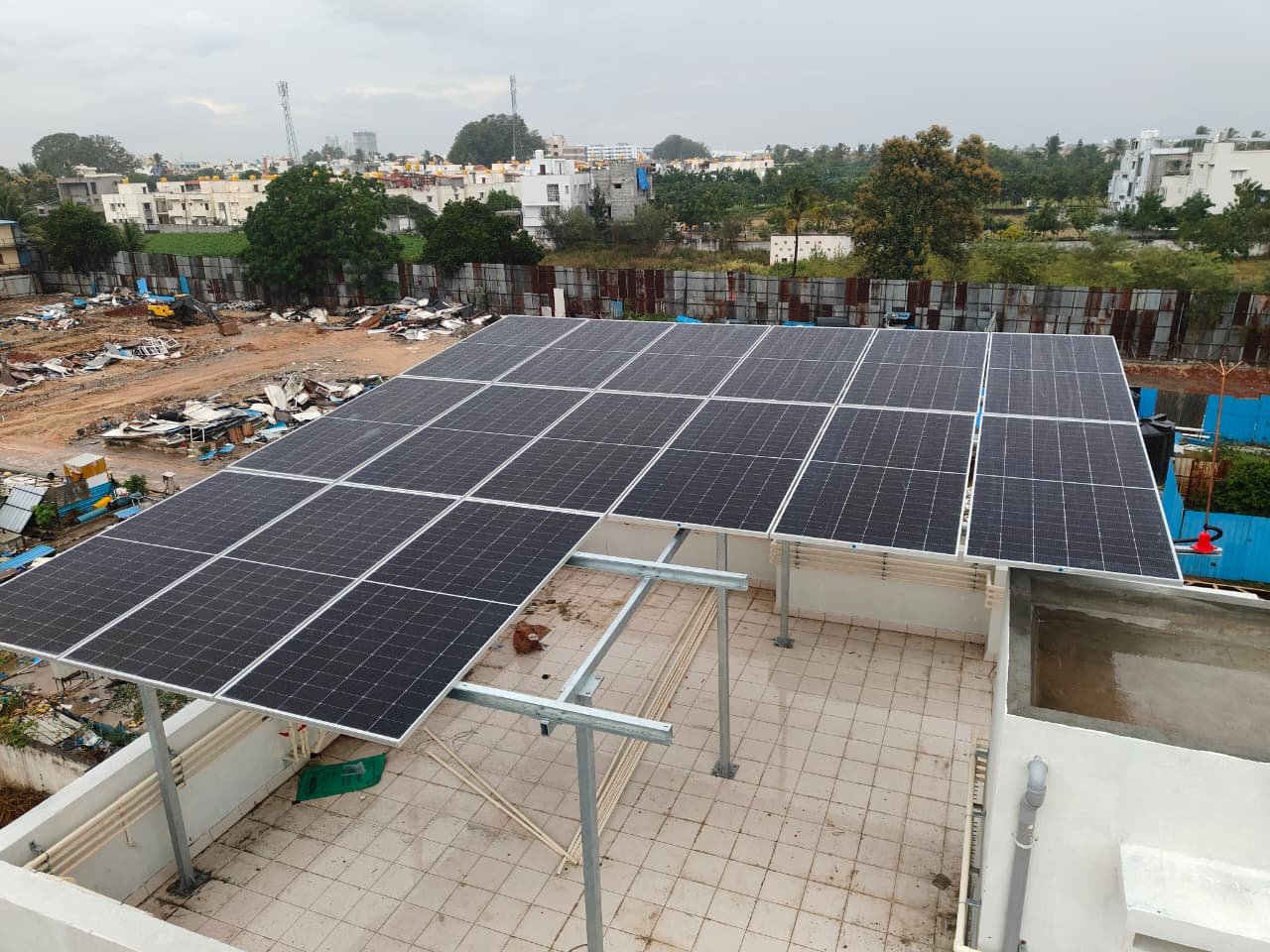
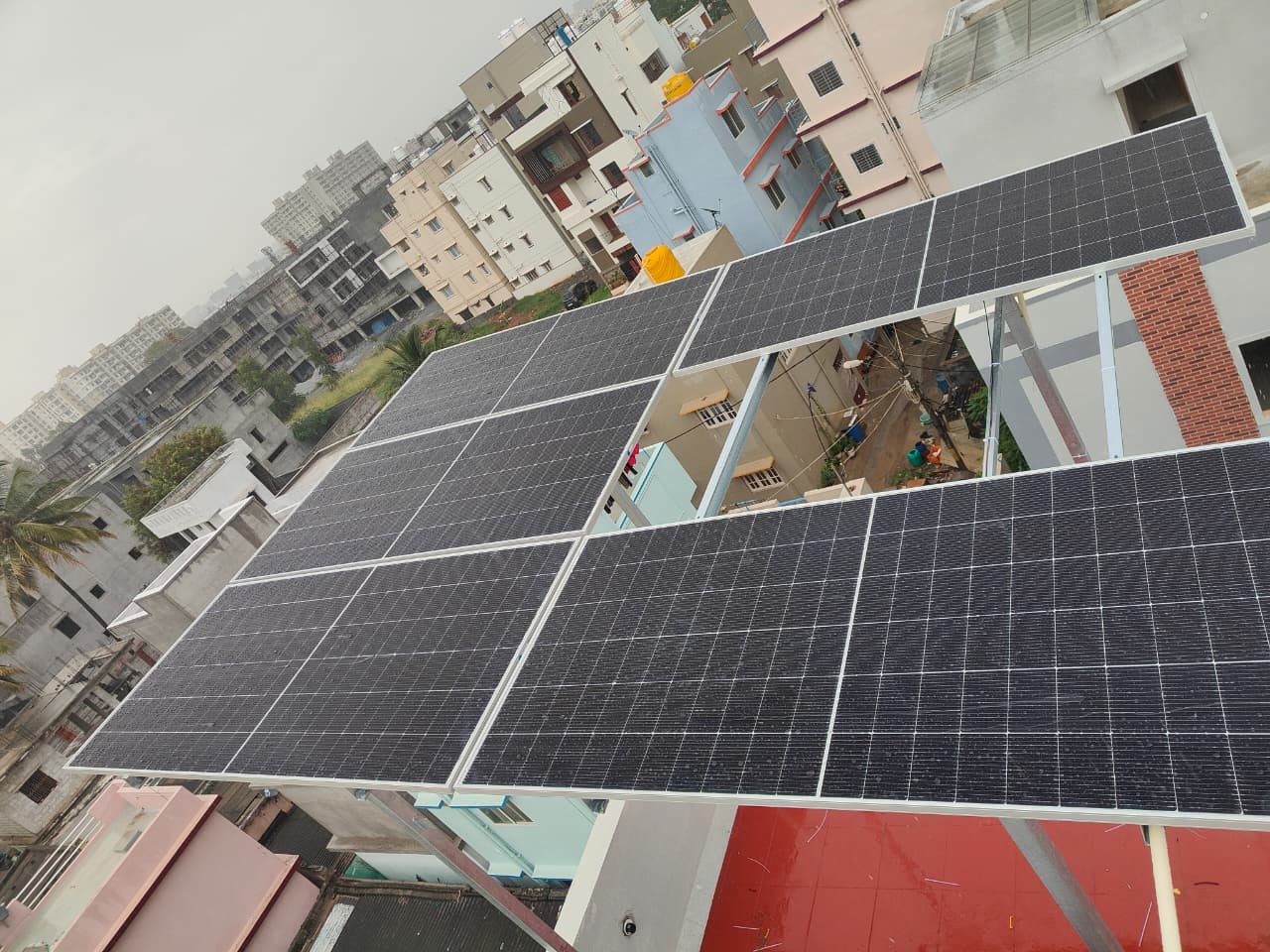
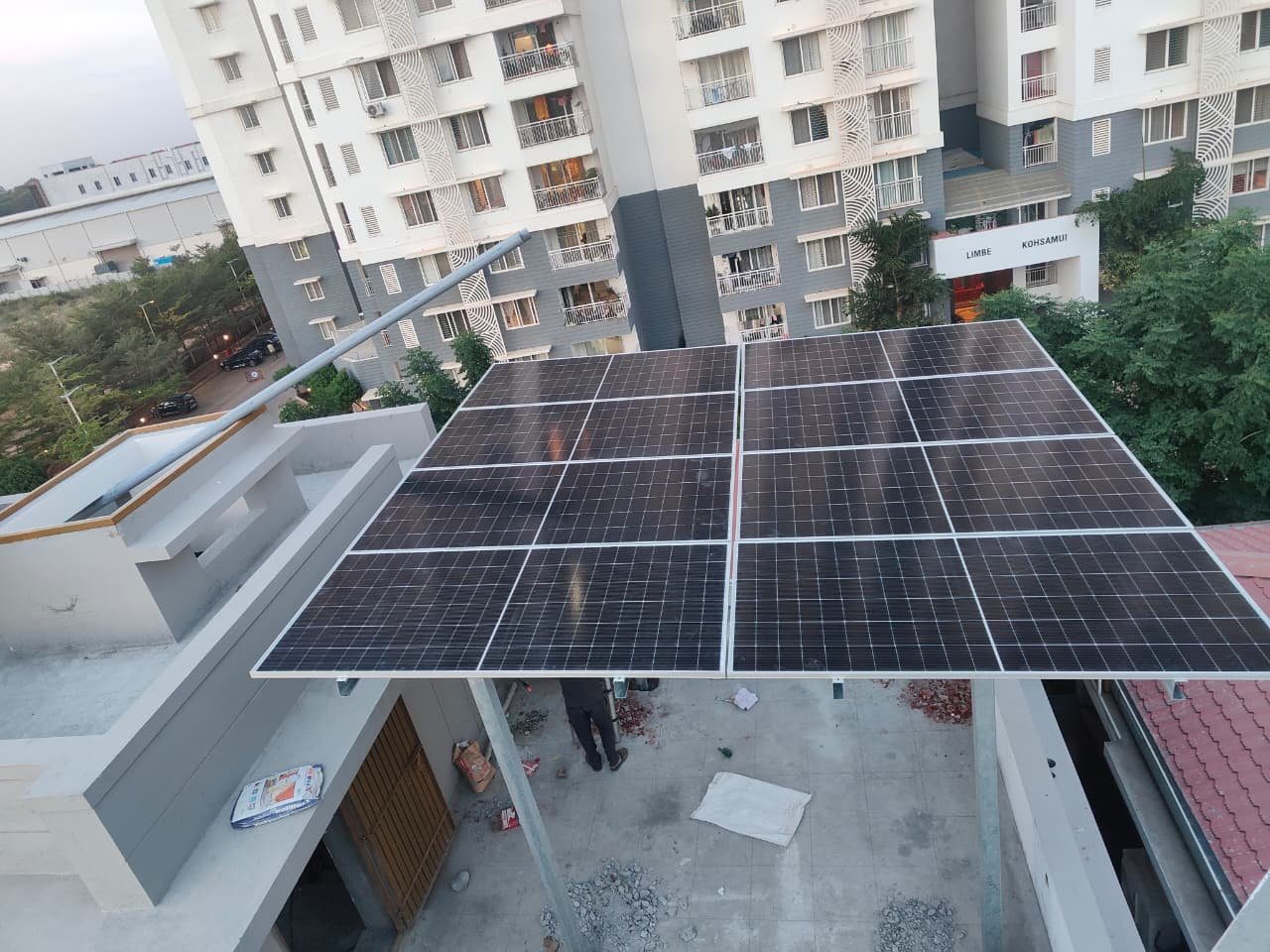
The team is MNRE-empanelled and handles subsidy registration and DISCOM coordination for on-grid and hybrid systems, along with financing options for homeowners who’d rather spread the cost via EMI. You can see completed on-grid and hybrid residential projects across Bangalore in the project gallery, or check the FAQ page for more on warranties and maintenance.
Not sure which system type fits your home? Talk to Aditya Green Energies for a free site assessment and a recommendation based on your actual usage.
Frequently Asked Questions
Which is cheaper,
on-grid or hybrid
solar?
On-grid is cheaper, since it doesn’t require a battery. Hybrid systems cost more upfront — the exact difference depends heavily on how much battery backup capacity you choose, with larger batteries adding significantly to the price.
Does the
government subsidy apply to hybrid
and off-grid systems?
The central PM Surya Ghar subsidy applies to on-grid and hybrid systems, since both require net metering. Off-grid systems are not eligible for the central subsidy, as they’re not grid-connected.
Will an on-grid
system work during a power
cut?
No. On-grid systems are required to shut down automatically during a grid outage for safety reasons, and provide no backup power. If outage backup matters to you, a hybrid system is the better fit.
How much battery
backup do I actually need for a
hybrid system?
This depends on what you want to run during an outage. Lights, fans, and a refrigerator need relatively modest battery capacity compared to air conditioning or heavy appliances — sizing the battery to your actual essential loads, rather than your whole home, keeps hybrid costs more reasonable.
Is off-grid solar
worth it for a home with a working
grid connection?
Usually not. Off-grid systems cost more than hybrid for a comparable level of backup, since the battery has to cover your entire consumption rather than just outage gaps, and off-grid systems don’t qualify for the central subsidy. Hybrid typically delivers similar backup benefits more affordably when a grid connection is available.
Can I start with
on-grid and add a battery
later?
In many cases, yes — if your inverter is hybrid-capable or can be upgraded, a battery can sometimes be added later rather than committing to the full hybrid cost upfront. It’s worth confirming this with your installer at the time of initial system design.
Which system type
is best for Bangalore homes
specifically?
Most Bangalore homes with a stable BESCOM connection do well with on-grid solar for the best cost and payback. Hybrid is worth considering for homes in areas with more frequent local outages, or for homeowners who specifically want backup for essential appliances.