In This Article
Bangalore gets roughly 300 sunny days a year, BESCOM’s residential tariffs keep climbing, and the central government is currently subsidising rooftop solar more generously than at any point in the past decade. Put those three things together, and it’s easy to see why so many homeowners in the city are finally looking into solar seriously rather than just thinking about it.
What’s less obvious is what the actual process looks like — from the first site visit to the day your subsidy lands in your bank account. This guide walks through solar panel installation for a home in Bangalore step by step, including realistic timelines, subsidy slabs, and the things worth knowing before you sign a quote.
At a Glance
3–5 days
Typical rooftop installation
45–60 days
BESCOM net metering
₹78,000
Maximum central subsidy
2–3 months
Application to subsidy
Why Bangalore Homes Are a Good Fit for Solar
Bangalore’s climate offers consistent daily sunlight with relatively mild temperature swings compared to much of North India, which generally supports stable solar generation through most of the year. BESCOM is also considered one of the better-performing DISCOMs in India for processing net metering applications, which matters because a slow DISCOM can turn an otherwise quick solar project into a months-long wait. Combined with the current PM Surya Ghar subsidy, many Bangalore homeowners are seeing meaningfully shorter payback periods than solar offered even a few years ago.
Step 1: Assess Your Electricity Usage and Roof
Before anything else, your actual monthly consumption (in units/kWh) and your roof’s usable area, orientation, and shading determine what system size makes sense. A good installer will ask for recent BESCOM bills and may do a preliminary remote or on-site check of your roof before quoting a system size — a 1 kW, 2 kW, or 3 kW-plus setup, for instance, suits very different consumption patterns and roof sizes.
Step 2: Choose Your System Type
There are three broad categories to choose from:
-
On-grid solar — connects directly to the BESCOM grid, sends surplus power back for credit through net metering, and has the lowest upfront cost. This is the most common choice for homes and is subsidy-eligible.
-
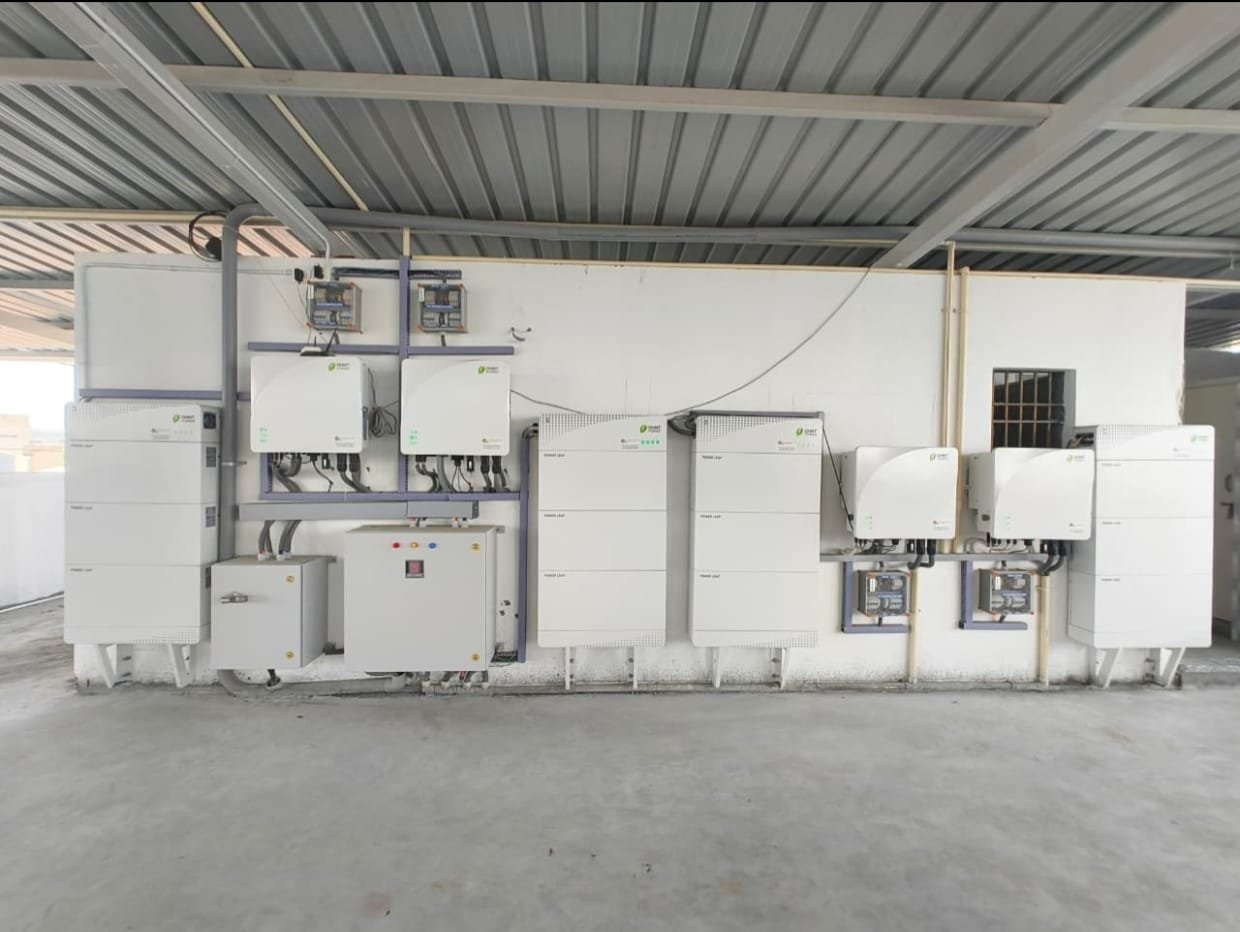
Hybrid solar (with battery) — adds battery backup so your home still has power during outages, while remaining grid-connected and subsidy-eligible. Costs more upfront than on-grid due to the battery.
-
Off-grid solar — fully independent of the grid, typically used in remote areas without reliable grid access. Off-grid systems are not eligible for the central subsidy, since PM Surya Ghar requires a grid connection with net metering.
For most Bangalore homes with a reliable grid connection, on-grid or hybrid systems make the most sense; off-grid is really only worth considering where grid access itself is the problem.
Step 3: Get a Site Visit and a Transparent Quote
A proper site visit checks your roof’s structural suitability, shading from nearby buildings or trees, and the ideal placement and tilt for panels. Reputable installers offer this free, and the resulting quote should clearly break down system cost, expected subsidy, installation charges, and any financing terms — rather than a single bundled number that’s hard to verify. Any estimate you see online, including sample figures in this guide, should be treated as indicative until your installer confirms numbers against your actual roof and consumption.
Step 4: Register for the PM Surya Ghar Subsidy
PM Surya Ghar Muft Bijli Yojana is India’s central rooftop solar subsidy scheme, and the registration generally needs to happen before installation, not after — installing first can make a household ineligible for the subsidy. The typical process:
- Register on the official portal (pmsuryaghar.gov.in) using your electricity consumer number and registered mobile number.
- Your DISCOM (BESCOM, in Bangalore) conducts a feasibility check for net metering at your connection.
- Choose an MNRE-empanelled vendor from the approved list to carry out the installation.
- Proceed with installation using ALMM-listed (government-approved) panels and inverters, which is generally required for subsidy eligibility.
Step 5: Installation
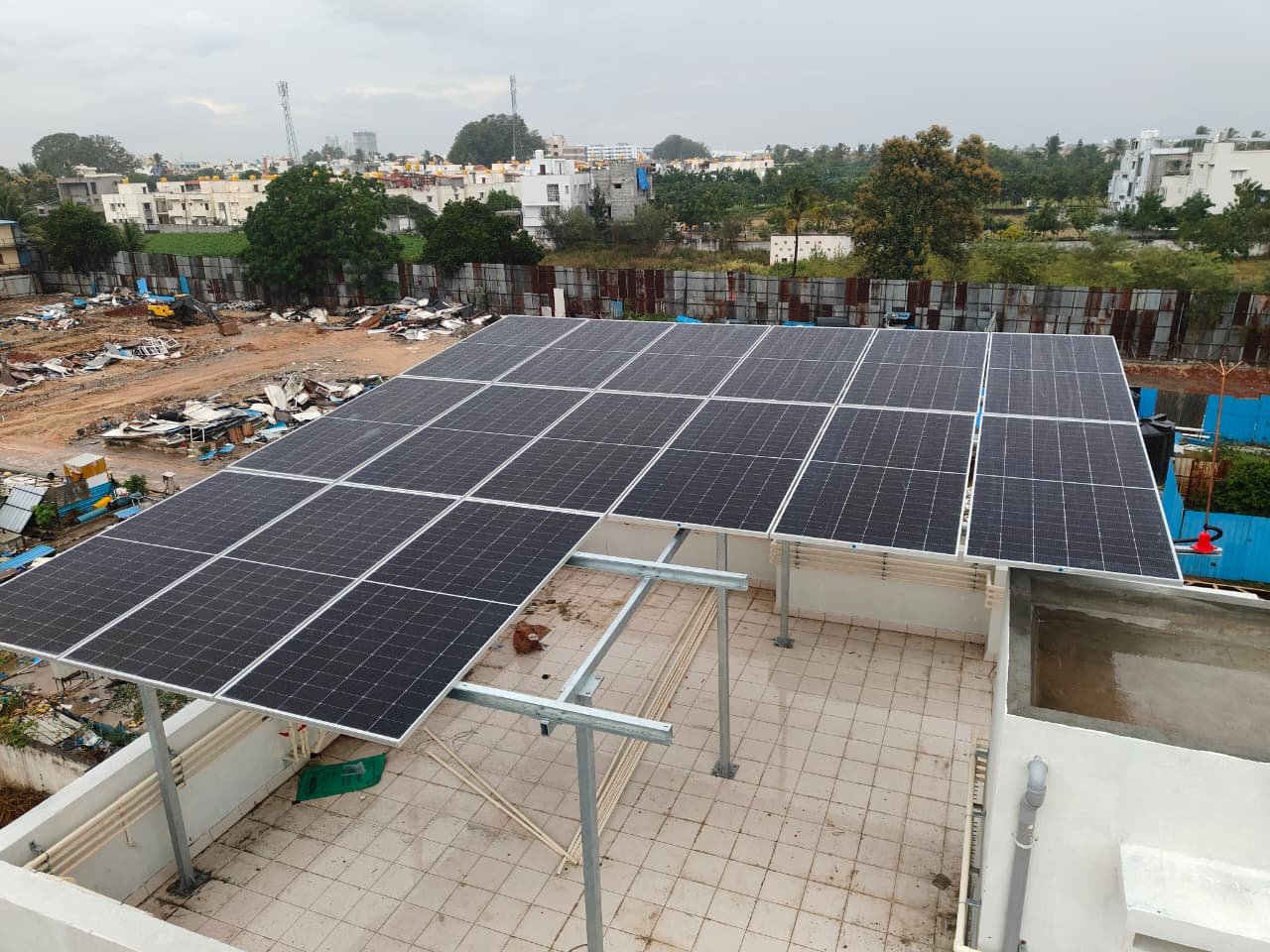
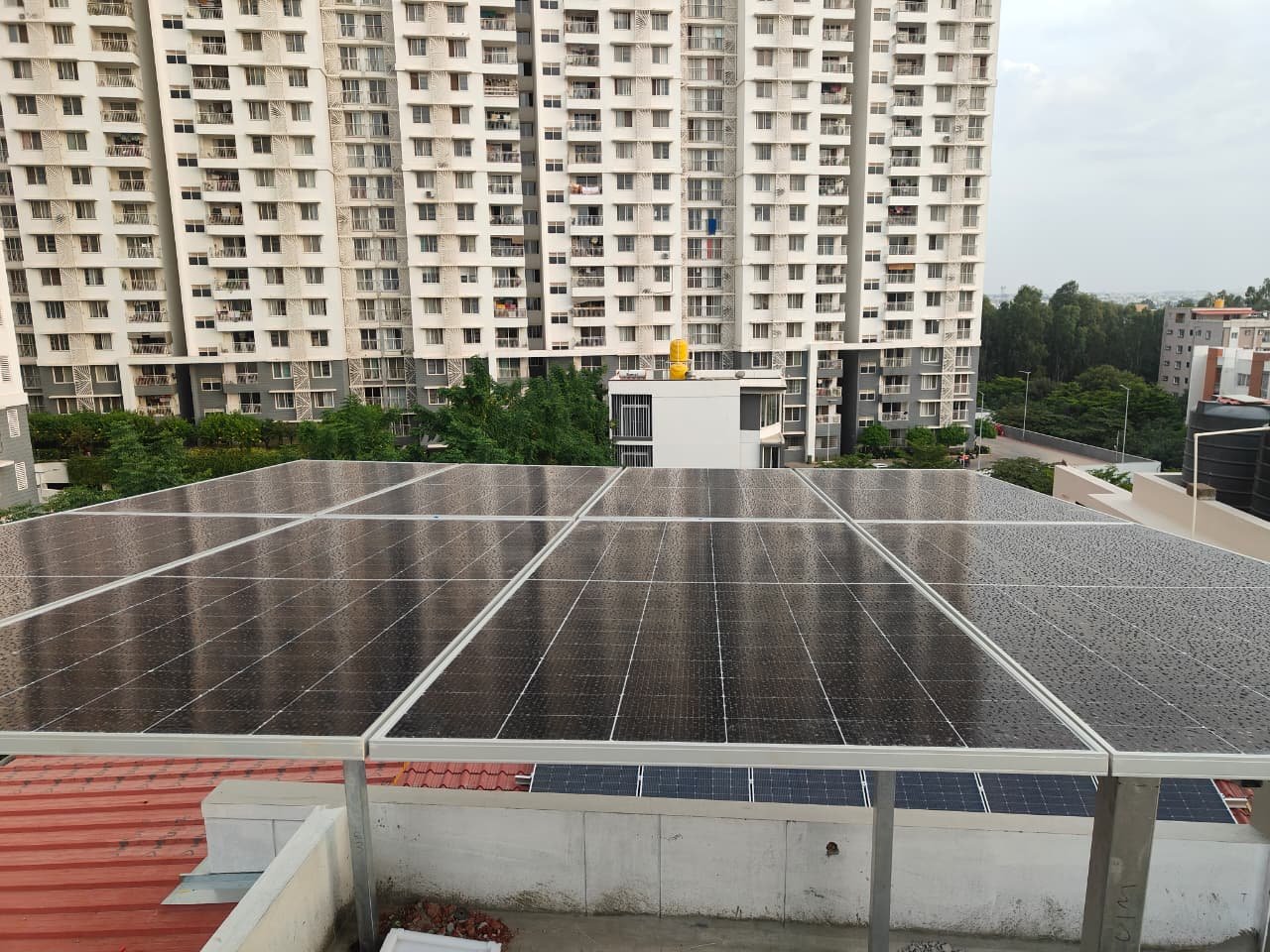
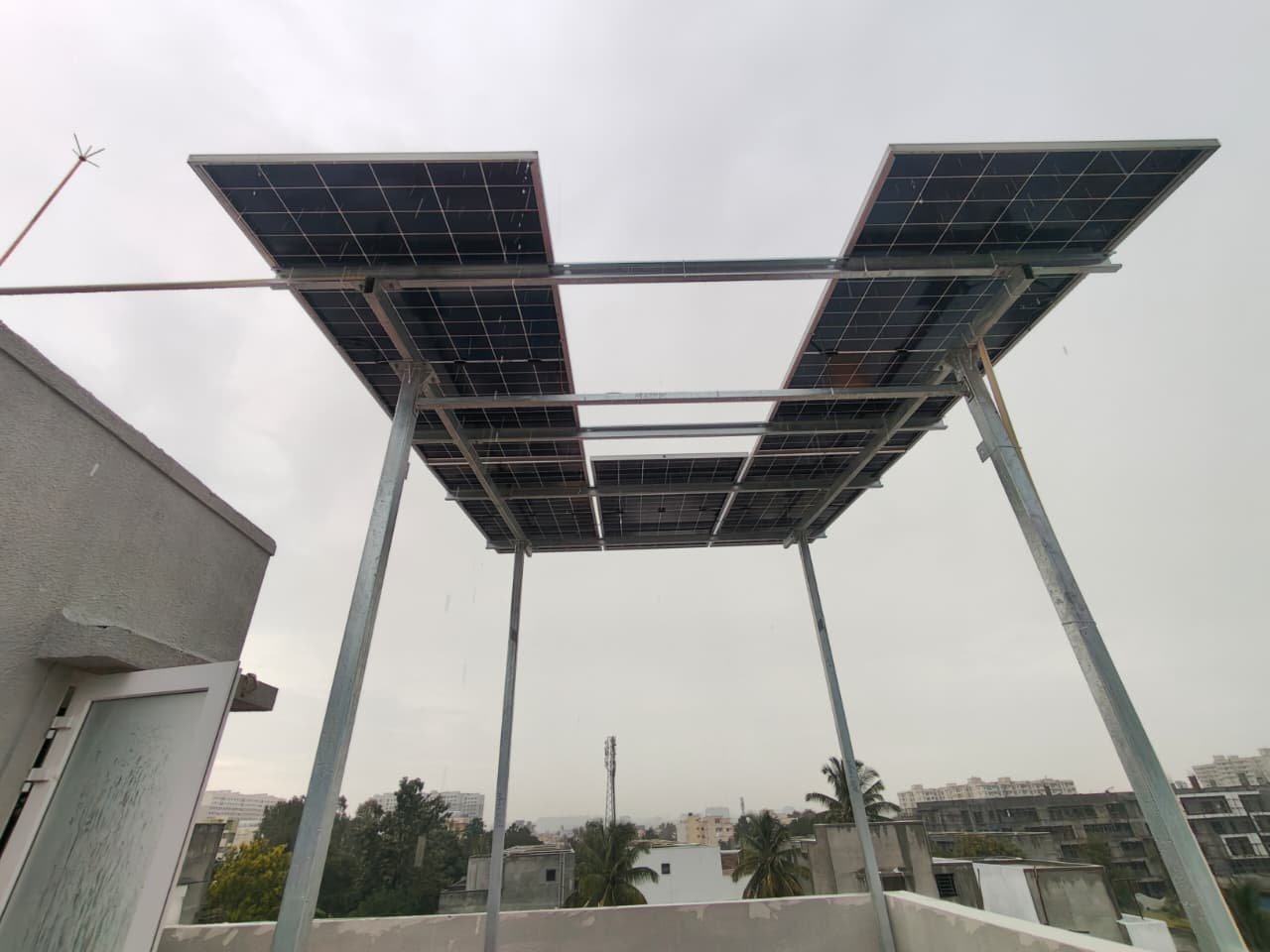
Once the design is approved and subsidy registration is underway, a typical residential rooftop system is installed within roughly 3–5 days, depending on system size and roof complexity. Larger commercial or industrial projects naturally take longer. Installation covers mounting structures, panel placement, wiring, and connecting the inverter — ideally carried out by certified engineers following standard safety and electrical code practices.
Step 6: Net Metering with BESCOM
After installation, your DISCOM inspects the system and installs a bi-directional net meter, which tracks both the power you draw from the grid and the surplus solar power you export back to it. In Karnataka, BESCOM is generally regarded as one of the faster-processing DISCOMs for this step, with net metering typically completed in roughly 45–60 days from a complete application — though timelines can vary based on application volume and documentation completeness.
Step 7: Subsidy Disbursement
Once the net meter is active and your DISCOM issues a commissioning certificate, the central subsidy is credited directly to your registered bank account, typically within 30–45 days of final inspection. Added together with the earlier steps, most homeowners should realistically expect roughly 2–3 months from initial application to subsidy in hand — anyone promising a dramatically faster subsidy timeline is likely not accounting for DISCOM processing time, which is largely outside any installer’s control.
Step 8: Ongoing Maintenance
Solar panels need relatively little upkeep: periodic cleaning (especially during Bangalore’s dustier months) and an annual inspection are usually sufficient to keep a system performing well. Many installers, including those offering workmanship warranties, also provide ongoing maintenance plans for added peace of mind.
PM Surya Ghar Subsidy Slabs
| System Size | Central Subsidy | Best Suited For |
|---|---|---|
| 1 kW | ₹30,000 | Small homes, low consumption (~100–120 units/month) |
| 2 kW | ₹60,000 | Most middle-class households (~150–200 units/month) |
| 3 kW or higher | ₹78,000 (capped) | Higher-consumption homes (~250–300 units/month) |
The subsidy is calculated at ₹30,000/kW for the first 2 kW and ₹18,000/kW for the 3rd kW, capped at ₹78,000 per household regardless of how much larger the system is beyond 3 kW. Some states also offer additional top-up subsidies on top of the central amount — Karnataka’s state-level top-up availability has varied by scheme year, so it’s worth confirming current status with BESCOM or your installer rather than assuming a fixed figure.
What Could You Realistically Save?
Actual savings depend on your system size, roof conditions, consumption pattern, and current BESCOM tariff — so any number here is illustrative, not a quote. As a general pattern, many homeowners see somewhere in the range of 70–90% reduction in their monthly electricity bill after installing a correctly sized system, with typical payback periods (the time for savings to cover the net system cost after subsidy) often falling in the 4–6 year range for residential installations — followed by two decades or more of substantially reduced electricity costs, since panels commonly carry performance warranties of up to 25–30 years. A free site assessment is the only reliable way to get a number specific to your home.
70–90%
Typical reduction in monthly electricity bill
4–6 yrs
Typical payback period, residential
25–30 yrs
Panel performance warranty (up to)
Illustrative figures, not a quote.
Choosing the Right Solar Installer in Bangalore
- MNRE empanelment. Confirms the installer is authorised to process subsidy applications on your behalf.
- ALMM-listed components. Government-approved panels and inverters, generally required for subsidy eligibility.
- Transparent, itemised pricing. A quote that separates system cost, subsidy, and installation charges rather than one bundled figure.
- Workmanship warranty, separate from the manufacturer’s panel warranty, covering installation quality and inverter performance.
- After-sales and maintenance support, not just installation.
- Realistic timelines. Be cautious of installers promising subsidy disbursement far faster than DISCOM processing typically allows.
Common Mistakes Homeowners Make
- Installing the system before registering for the PM Surya Ghar subsidy, risking ineligibility
- Choosing system size based on roof space alone rather than actual consumption data
- Assuming off-grid systems qualify for the central subsidy (they don’t)
- Accepting a bundled quote without a clear subsidy and cost breakdown
- Underestimating how long DISCOM net metering and subsidy disbursement actually take
- Skipping maintenance plans and assuming panels need zero attention after installation
Why Homeowners Choose Aditya Green Energies
Aditya Green Energies is a Bangalore-based solar EPC company handling the entire journey to solar — from site assessment and system design through installation and after-sales support — rather than outsourcing parts of the process to third parties. The team is MNRE-empanelled, offers free site visits with no hidden costs, and provides both a manufacturer’s performance warranty (up to 30 years on panels) and its own workmanship warranty covering installation quality and inverter performance.
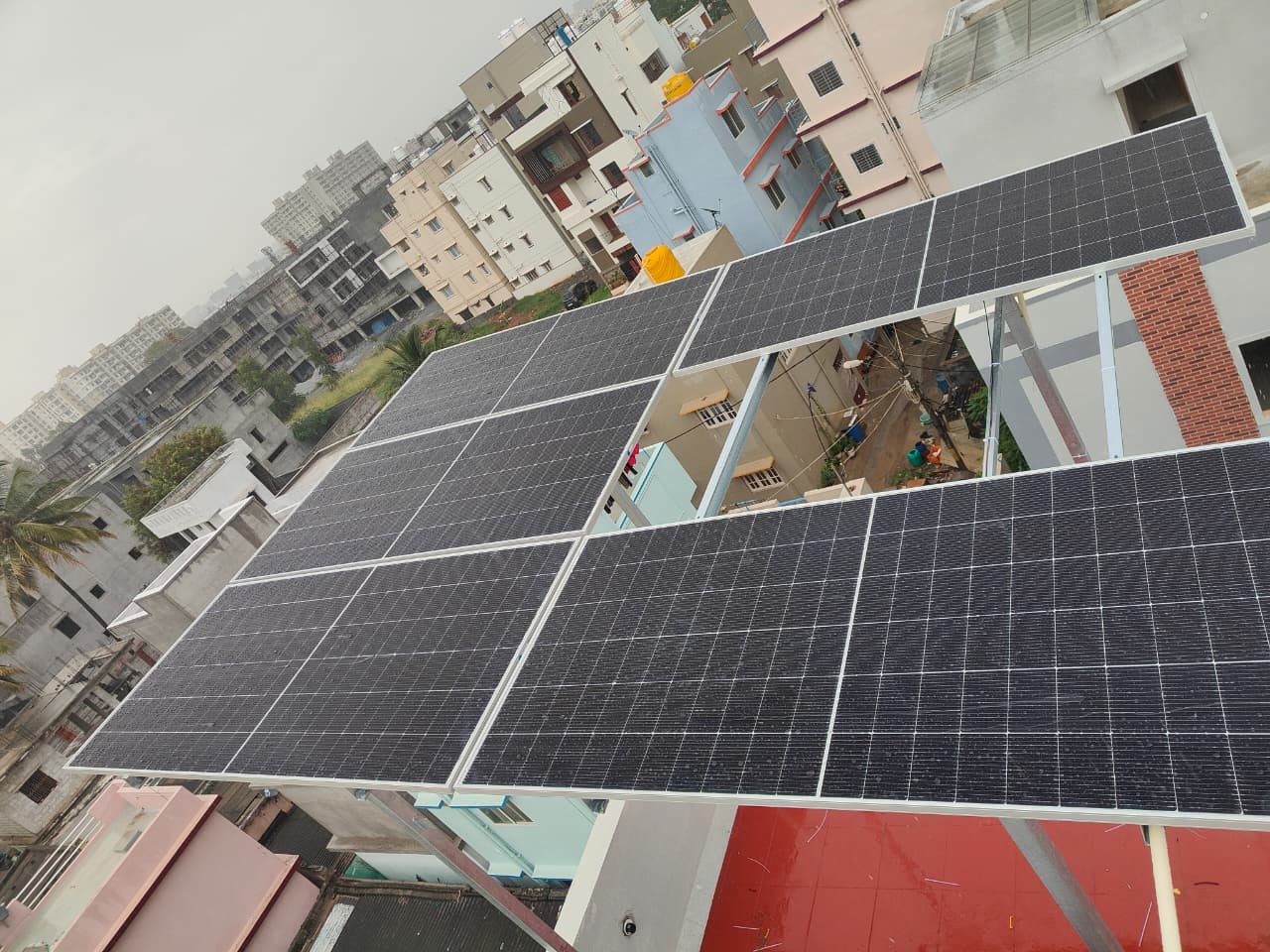
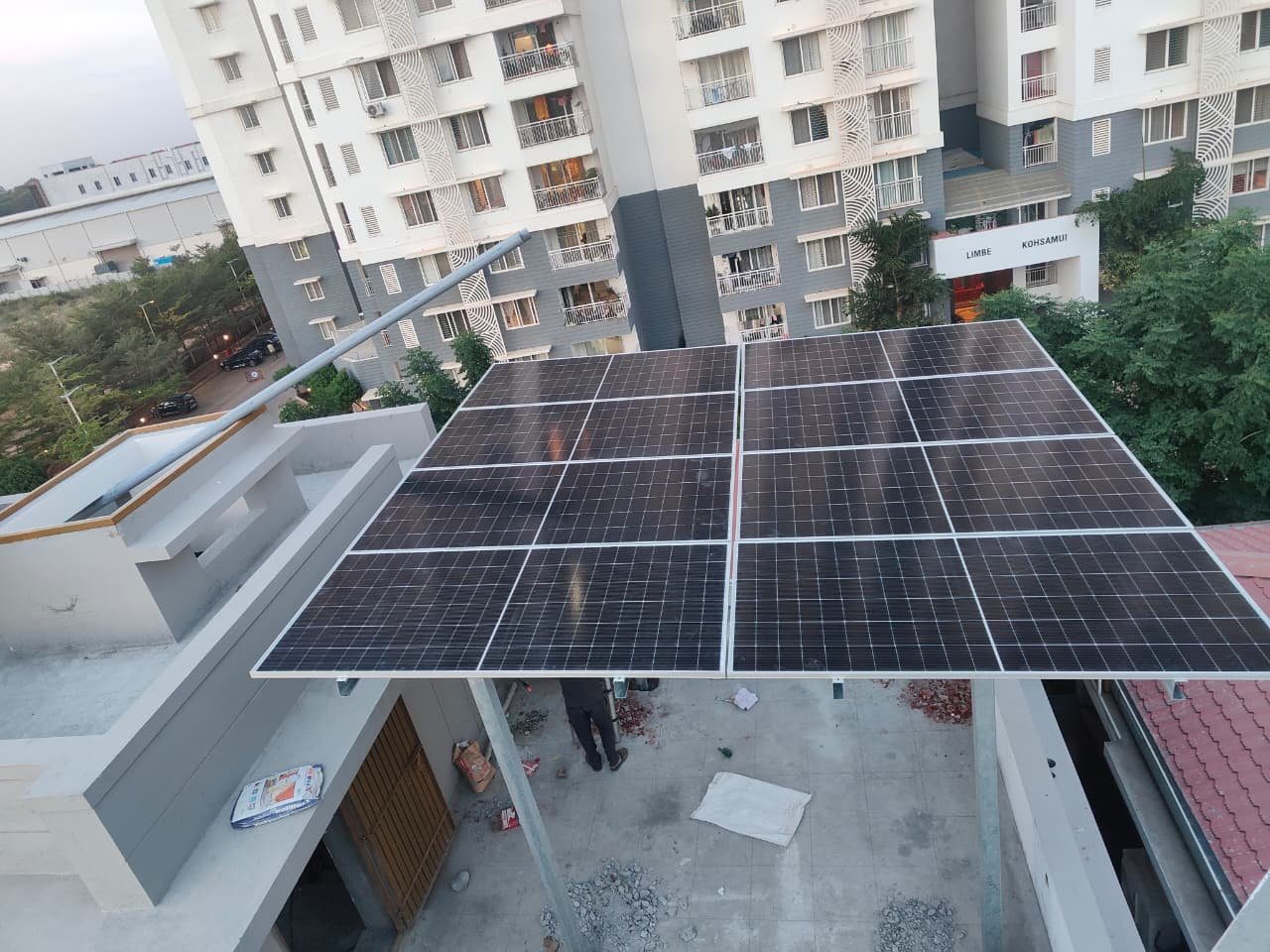
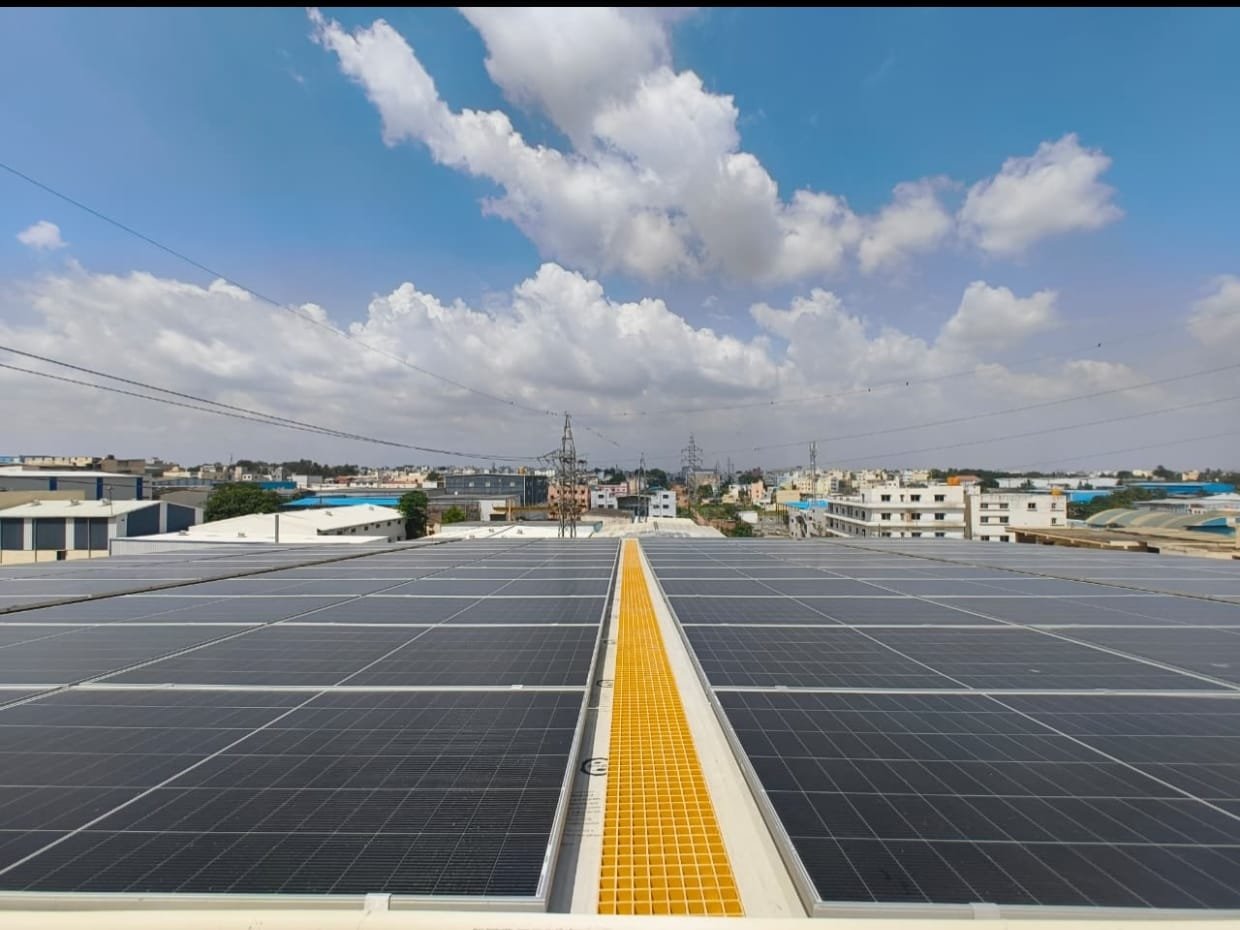
The company also handles subsidy paperwork and DISCOM coordination on the homeowner’s behalf, and works with financing partners to offer EMI options for those who’d rather not pay the full net cost upfront. You can see completed residential, commercial, and industrial installations across Bangalore in the project gallery, browse more solar guidance on the blog, or check the full FAQ page for additional details.
Ready to find out what solar could save on your specific roof? Contact Aditya Green Energies for a free site assessment and quote.
Frequently Asked Questions
How much can I
save on my electricity bill with
solar in Bangalore?
Most homeowners see a reduction of roughly 70–90% on their monthly electricity bill, depending on system size and daily usage. Exact savings depend on your roof, consumption pattern, and current BESCOM tariff, so a free site visit is the most reliable way to get an accurate figure.
How long does
residential solar installation
actually take?
A typical residential rooftop system is installed within 3–5 days once the design is approved. The full process — including subsidy registration, net metering, and subsidy disbursement — generally takes 2–3 months end-to-end, mostly due to DISCOM processing timelines rather than the installation itself.
Is the government
subsidy available for all system
types?
No — only grid-connected systems with net metering (on-grid or hybrid) qualify for the PM Surya Ghar central subsidy. Off-grid systems are explicitly excluded, since they don’t use net metering.
What is the
maximum subsidy I can
get?
The central subsidy is capped at ₹78,000 per household for systems of 3 kW or larger, calculated as ₹30,000/kW for the first 2 kW plus ₹18,000 for the 3rd kW. Installing a larger system than 3 kW doesn’t increase the subsidy beyond this cap, though it may still make sense depending on your consumption.
How long does
BESCOM net metering approval take in
Bangalore?
BESCOM is generally considered one of the faster-processing DISCOMs in India for net metering, with typical approval in roughly 45–60 days from a complete application, though this can vary with application volume and documentation.
What maintenance
does a home solar system
need?
Very little — mainly periodic cleaning and an annual inspection are usually sufficient. Many installers also offer ongoing maintenance plans to help keep the system running at peak efficiency.
Can I install a
bigger system than I’m currently
approved for?
Yes, though the central subsidy itself won’t exceed the ₹78,000 cap regardless of system size beyond 3 kW. Larger systems may still make financial sense for households with higher consumption, even without additional subsidy on the extra capacity.
Final Takeaway
Solar panel installation for a home in Bangalore isn’t just about putting panels on a roof — it’s a multi-step process involving accurate sizing, subsidy registration, DISCOM coordination, and ongoing maintenance, with most of the real waiting time sitting in net metering and subsidy processing rather than the physical installation itself. Working with an MNRE-empanelled installer who handles subsidy paperwork, uses ALMM-listed components, and gives you a transparent, itemised quote makes the difference between a smooth few-month process and a frustrating one.
Want a clear, itemised quote for your own home? Get in touch with Aditya Green Energies for a free site assessment.