Commercial Solar Panel Installation in Bangalore

For most commercial buildings, electricity is a fixed monthly cost that is hard to negotiate. Commercial solar panel installation gives businesses a way to generate part of their own daytime power from roofs, terraces and parking areas, and bring more predictability to their operating expenses.

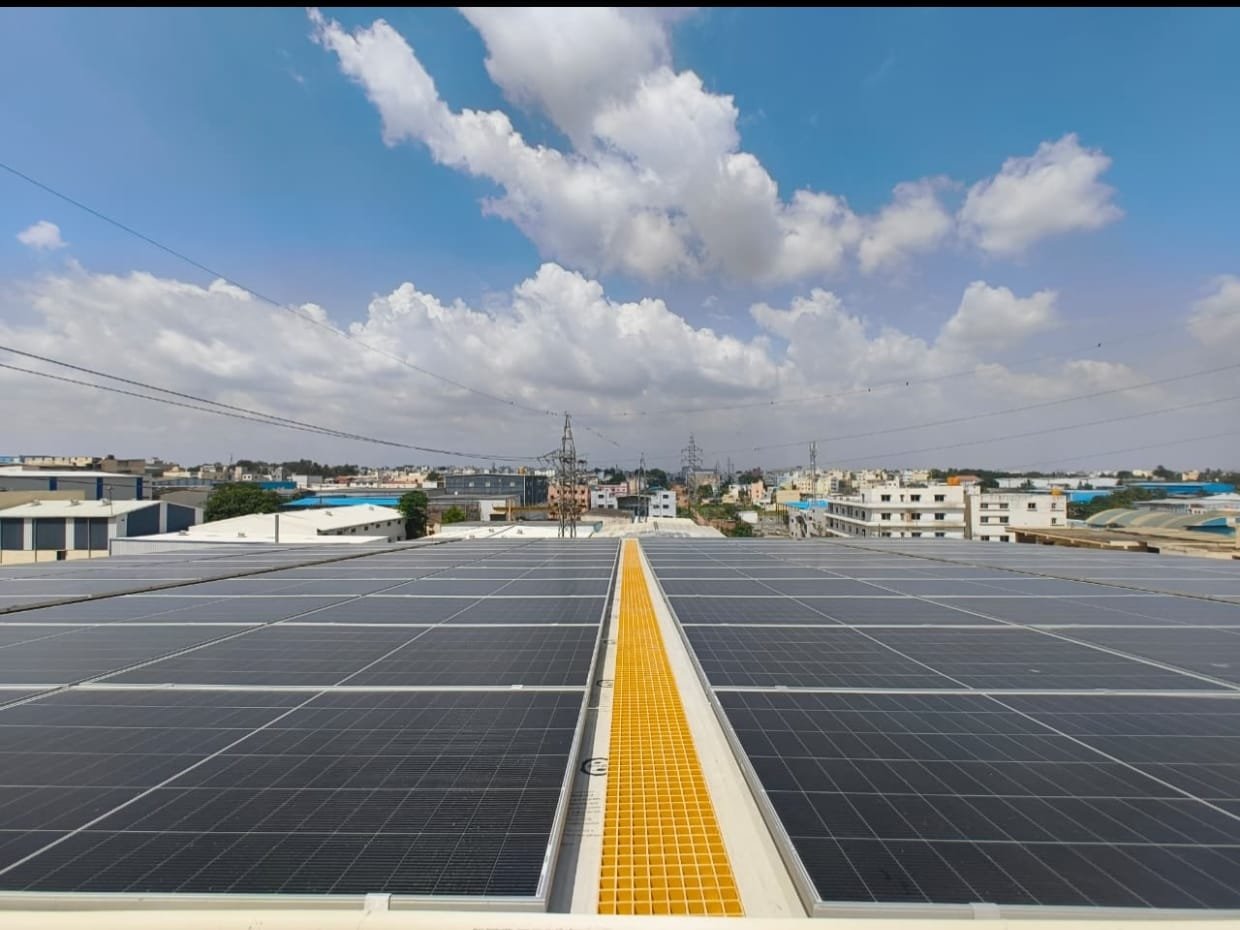
Commercial rooftop solar plant Commercial
Rooftop Solar to Help Offices, Hotels, Hospitals and Retail Buildings Manage Energy Costs

What Is Commercial Solar Panel Installation?

Commercial solar panel installation is the design and setup of a solar PV system on a business property such as an office, mall, hotel or hospital. The system supplies power to building loads (lighting, air conditioning, lifts, IT equipment, pumps) during the day and reduces the electricity drawn from the grid.

Unlike industrial plants, commercial buildings usually have smaller, more fragmented roofs, shared ownership or tenants, and load patterns tied to occupancy hours and air conditioning, which shapes both design and decision-making.

Aditya Green Energies is a solar EPC company in Bangalore, Karnataka. We help business owners and facility teams assess feasibility, size the system correctly, manage approvals, and install and maintain solar without disrupting daily operations.

Talk to a Solar Expert
Business Advantages

Why Commercial Solar Matters

  • Business electricity tariffs are typically higher than domestic tariffs, so each unit offset can matter.
  • Solar generation overlaps with working hours, when offices, shops and clinics use the most power.
  • Customers, investors and parent companies increasingly ask about sustainability.
  • Rooftops are usually unused assets that can be put to productive use.
Commercial rooftop solar
Why It Matters

Key Benefits for Commercial Buildings

Operating cost reduction

Solar units offset grid purchases during business hours.

Budget predictability

Part of your energy cost becomes more stable over the long term.

Brand and sustainability value

Solar supports green-building and ESG commitments.

Property value appeal

A building with its own power generation may appeal to tenants and buyers.

Energy visibility

Monitoring shows how consumption and generation relate.

Low disruption

Rooftop work usually happens away from customers and staff.

Actual savings depend on: system capacity, consumption, tariff category, solar irradiation, roof area, shading, system efficiency, operating hours, grid regulations and net-metering rules.

Business Use

Solar Solutions by Business Type

Business type Typical energy profile Solar considerations
Offices and IT parks Heavy weekday daytime load (AC, servers, lighting) Strong match with solar; limited roof relative to floor area in tall buildings
Retail stores and showrooms Lighting, display and AC during opening hours Evening trading hours reduce daytime match
Shopping complexes and malls Large AC, lifts, common-area loads Multiple tenants and metering arrangements
Hotels and restaurants Round-the-clock load, hot water, kitchens Hybrid and heat solutions may add value; night loads are high
Hospitals and clinics Continuous load, critical equipment Reliability and backup design are crucial
Business parks Shared infrastructure and multiple occupants Common-area solar with clear cost sharing
Warehouses and commercial storage Lighting, racking systems, cold rooms Large roof area, often good suitability
Options To Consider

Types of Commercial Solar Systems

On-grid
How it works

Solar works with the grid, no batteries

Advantages

Lowest cost, quick payback potential

Limitations

No power during grid outage

Best for

Offices, retail, malls with daytime load

Hybrid
How it works

Solar plus batteries plus grid

Advantages

Backup for critical loads

Limitations

Higher cost, battery upkeep

Best for

Hospitals, clinics, data-sensitive offices

Off-grid
How it works

Standalone with batteries

Advantages

Independent operation

Limitations

Seldom suitable in cities

Best for

Remote commercial sites

An on-grid system does not by itself supply backup power during outages. If continuity matters, we design the backup separately and clearly.

What's In The System

Components of a Commercial Solar System

  • Solar PV modules

    Generate DC power; selected for efficiency and available roof area.

  • Inverters

    Convert DC to AC and synchronise with the building supply.

  • Mounting structures

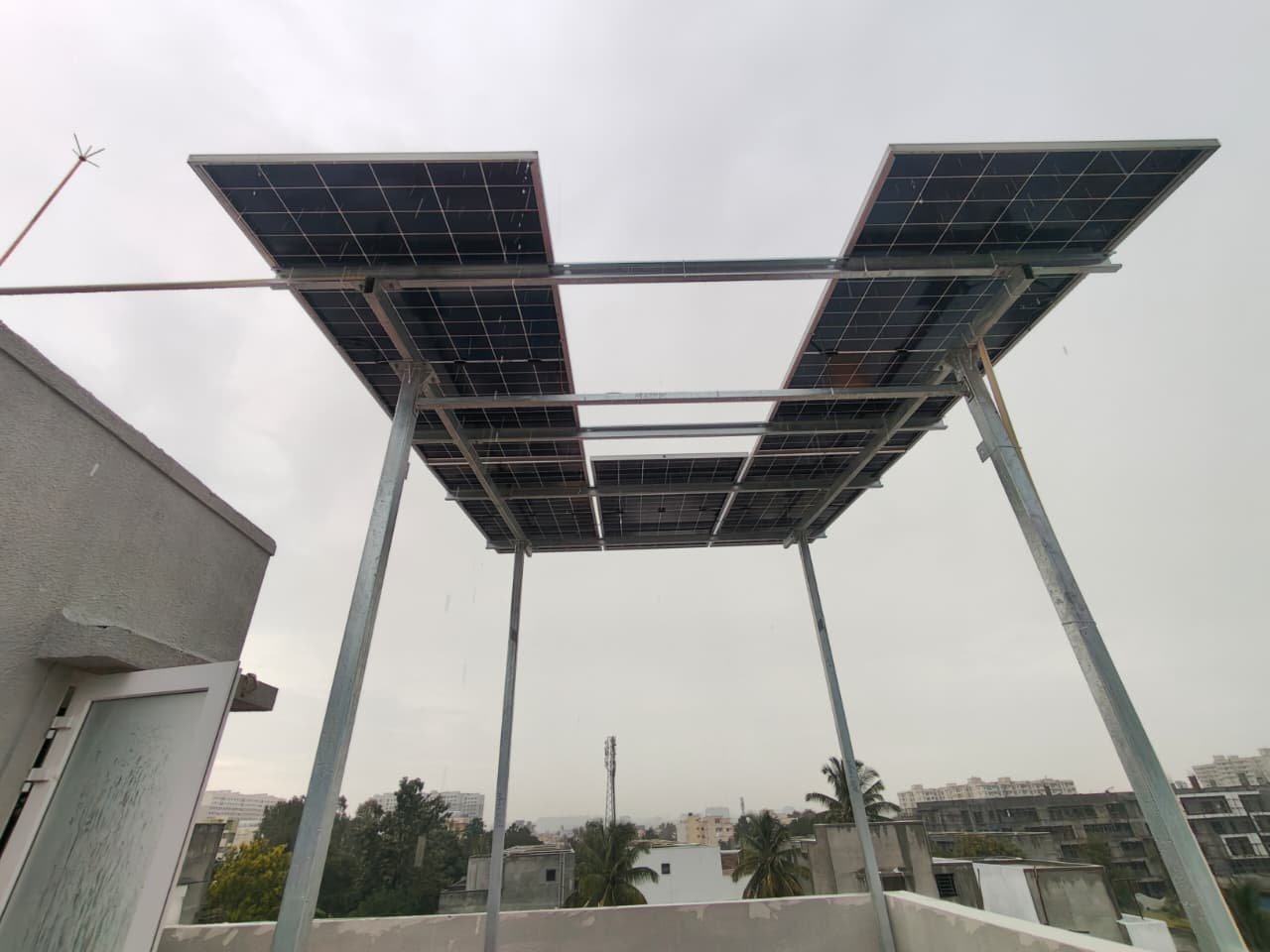
    Designed for RCC terraces or metal roofs, including elevated structures that keep terrace space usable.

  • DC/AC cabling

    Sized to reduce losses and meet safety norms.

  • Protection devices and panels

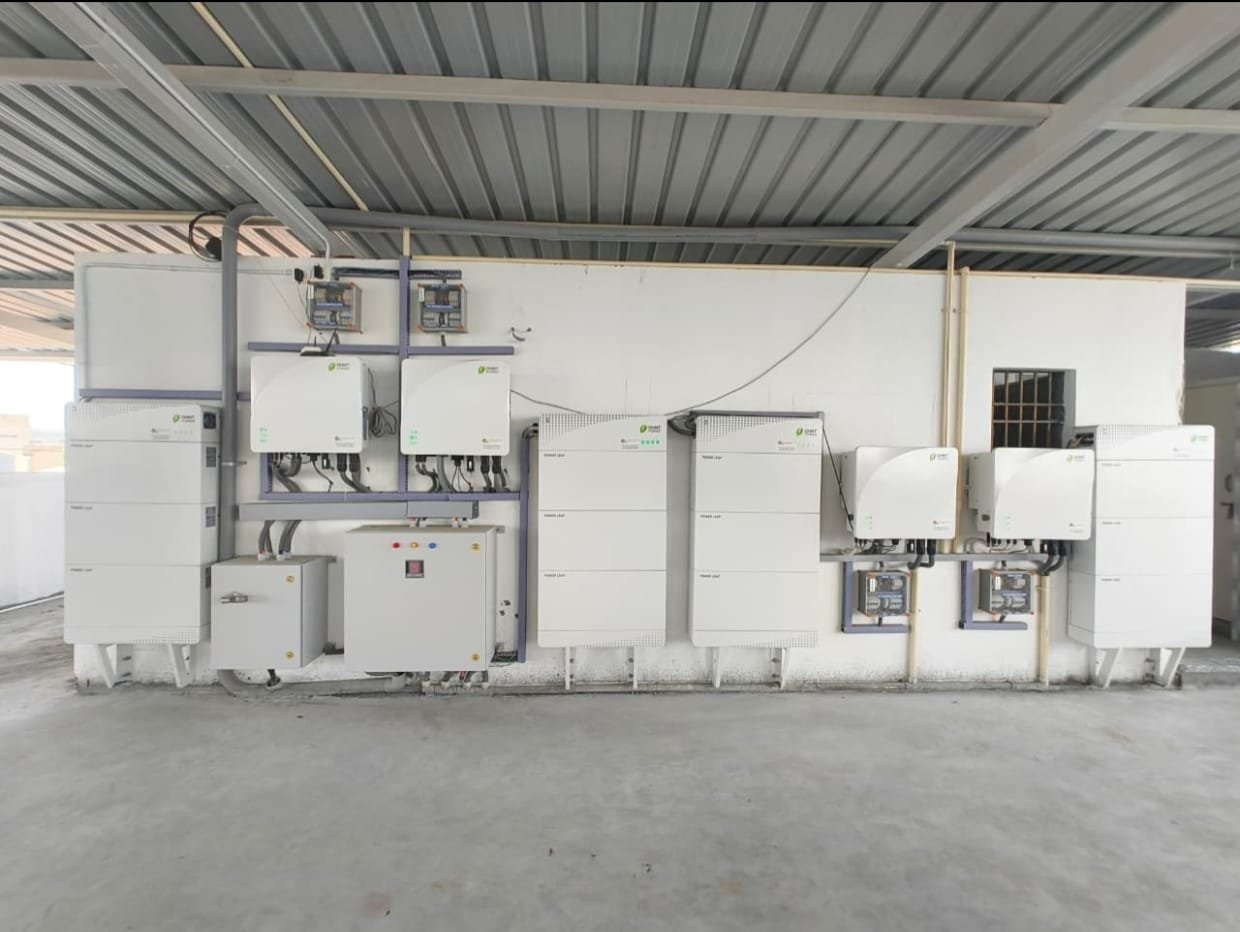
    Breakers, surge protection, isolators and metering.

  • Monitoring system

    Shows generation, faults and performance; can produce reports for facility and sustainability teams.

  • Earthing and lightning protection

    Especially important for tall or exposed buildings.

  • Batteries (hybrid)

    Used for backup of selected circuits.

How It Works

How Commercial Solar Installation Works

1
Initial consultation

We understand your premises, occupancy hours and objectives.

2
Bill and load analysis

We review monthly bills, sanctioned load, tariff category and load curve where available.

3
Energy audit (optional but recommended)

Identifies avoidable consumption before solar sizing.

4
Rooftop feasibility and site survey

Roof area, access, structural condition and electrical room.

5
Shadow analysis

Surrounding buildings, parapets, HVAC units and water tanks.

6
System sizing

Capacity matched to daytime load and usable area.

7
Engineering and design

Layout, single-line diagram and safety design.

8
Proposal and quotation

Transparent scope, specifications, assumptions and ROI estimate.

9
Owner and tenant coordination

Building management, landlords and associations are aligned where needed.

10
Approvals

Documentation support for the DISCOM and local requirements.

11
Procurement and installation

Scheduled to avoid disturbing business operations.

12
Electrical integration and commissioning

Testing, synchronisation and safety checks.

13
Monitoring setup and handover

Training for your facility team.

14
O&M and support

Ongoing cleaning, inspection and service.

Sizing

How to Size a Commercial Solar System

  • Daytime load: Compare weekday and weekend consumption.
  • Roof area: Usable, shadow-free terrace space after allowing for equipment and access paths.
  • Occupancy hours: Offices and clinics differ from restaurants and late-night retail.
  • Sanctioned load and meter type
  • Future plans: Expansion, EV chargers, additional floors.
  • Export value: Whether surplus export is permitted and worthwhile.

A rough guide is 80–100 sq ft of shadow-free roof per kW. Tall buildings often cannot cover their full load from the roof alone, so solar covers a portion of the demand. We show you the realistic share.

Cost & ROI

What Determines Commercial Solar Cost and ROI?

Cost factors include system capacity, module and inverter choice, roof type, structure design, cable routes, electrical upgrades, battery needs, access difficulty, approvals, monitoring and O&M.

ROI compares total project cost against the grid units replaced, tariff trends, maintenance cost and any applicable financial benefits. Businesses with strong daytime load typically see better returns than those with mostly night consumption. We share a payback estimate built from your bills, never a generic promise.

Financial Support

Commercial Solar Financing Options

Depending on the project and your preferences, businesses commonly look at:

  • Upfront purchase (CAPEX)

    You own the system from day one.

  • Bank or NBFC loans

    Spread the investment over a tenure.

  • Other structures

    Some businesses explore OPEX or third-party models. Availability and suitability vary, and we explain what applies.

Tax provisions such as depreciation may apply to eligible businesses. Please confirm with your chartered accountant.

Grid Connection

Net Metering and Approvals

What we provide

Technical design, documentation and coordination support.

What the regulator or DISCOM requires

Grid-connected systems need DISCOM permission. Net-metering terms, capacity limits and fees are determined by the Karnataka regulator and may change.

What you may be eligible for

Business-specific incentives or tax treatment depend on your entity and prevailing rules. We help you verify eligibility.

If you lease your premises, written consent from the landlord is also required.

Ongoing Care

Maintenance, Monitoring and Warranty

  • Scheduled panel cleaning and inspection
  • Inverter and electrical checks
  • Remote monitoring with alerts for underperformance
  • Annual performance review
  • Documentation of equipment warranties (modules, inverters, structures, workmanship)

Warranty terms differ by manufacturer and are listed in your quotation. An annual maintenance contract can be added for ongoing care.

Before You Buy

Common Mistakes to Avoid

  • Sizing only by roof area, not by daytime load
  • Ignoring landlord or tenant agreements
  • Overlooking fire safety and rooftop access paths
  • Leaving backup requirements unclear for hospitals and clinics
  • Comparing quotations without checking specifications and warranty terms
  • Not budgeting for cleaning and monitoring
Recent Work

A Glimpse Of Our Installations

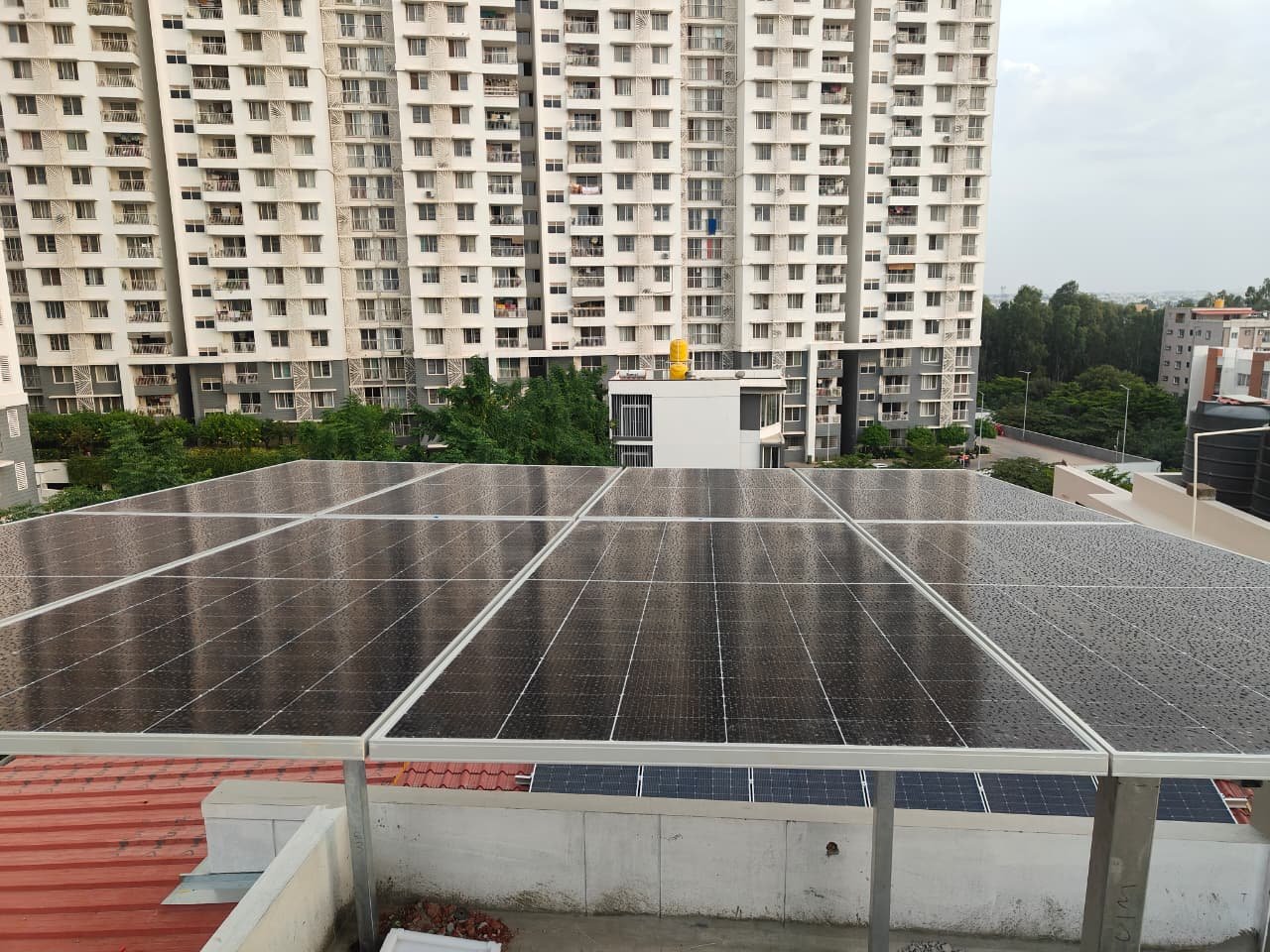
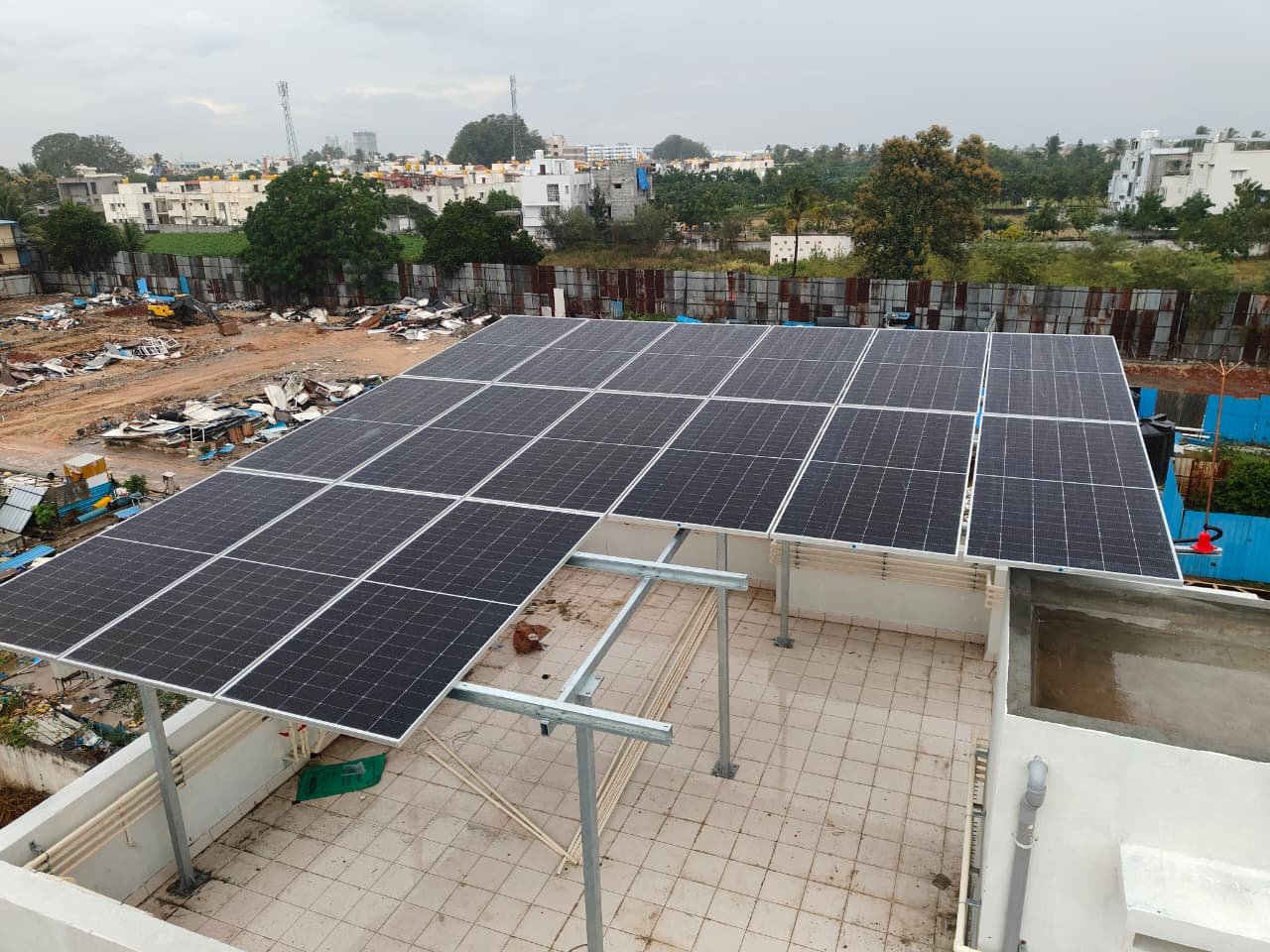
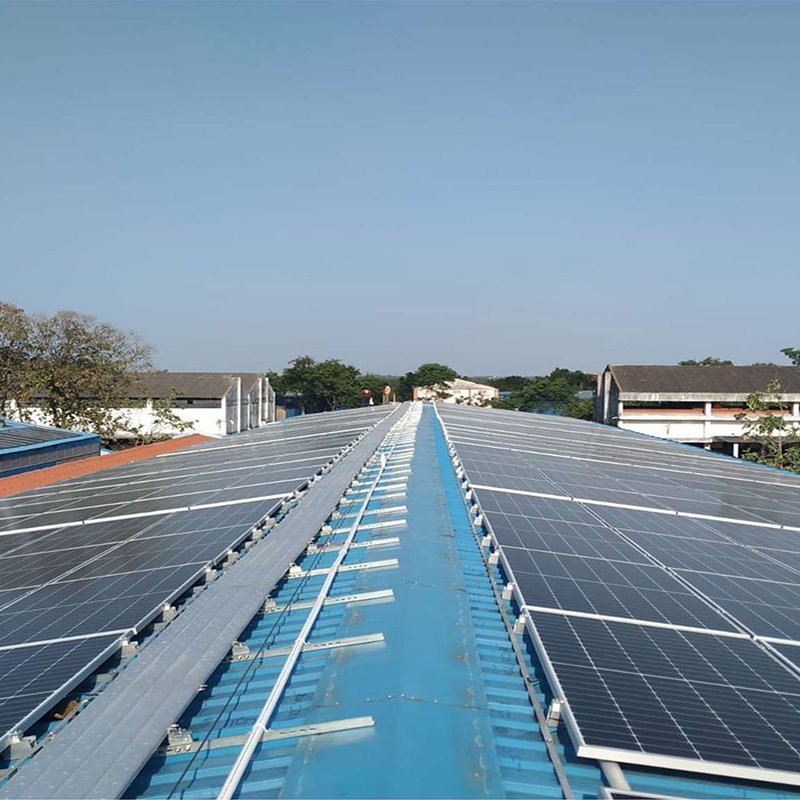
Commercial rooftop solar plant
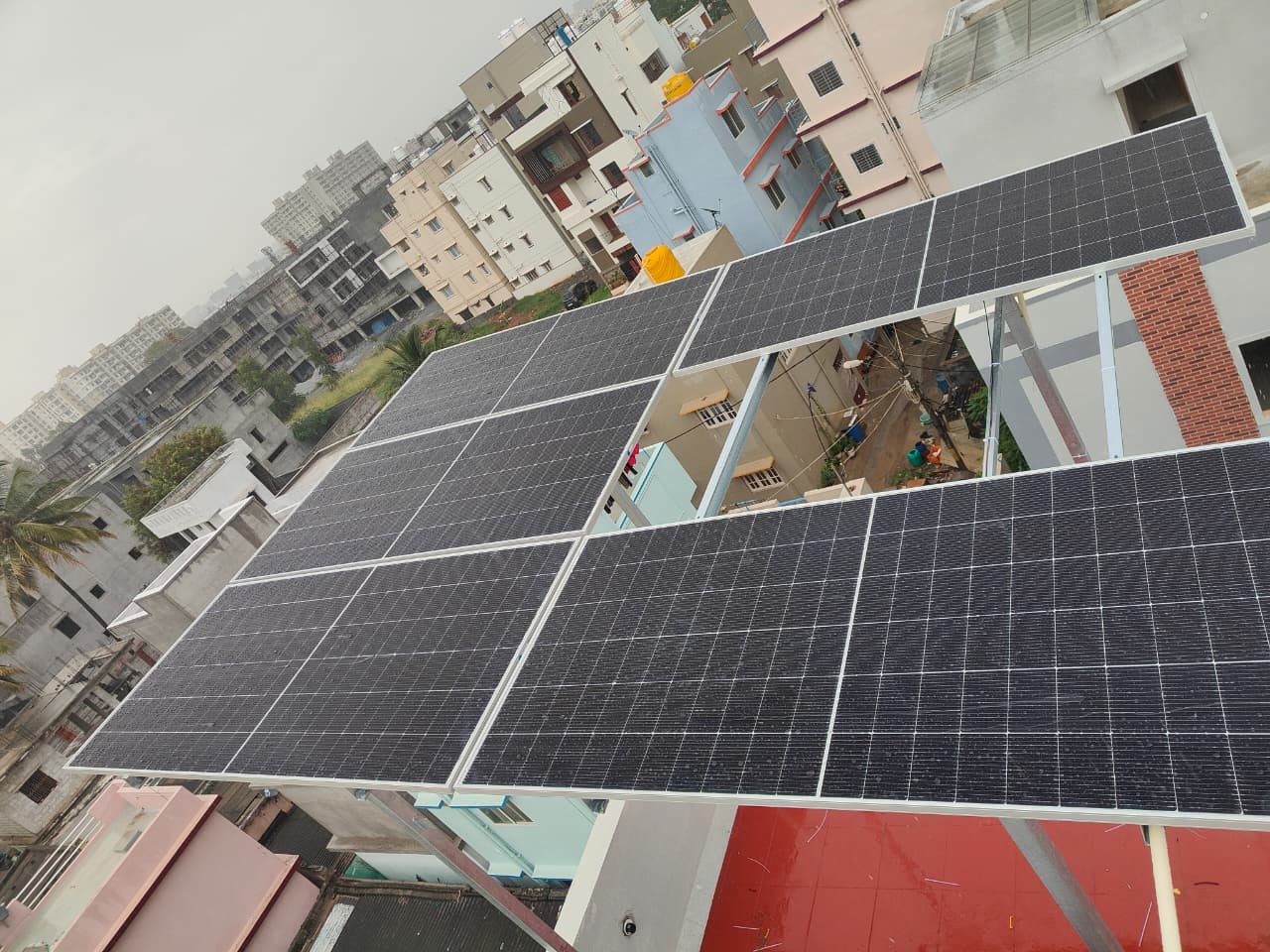
Showroom solar installation
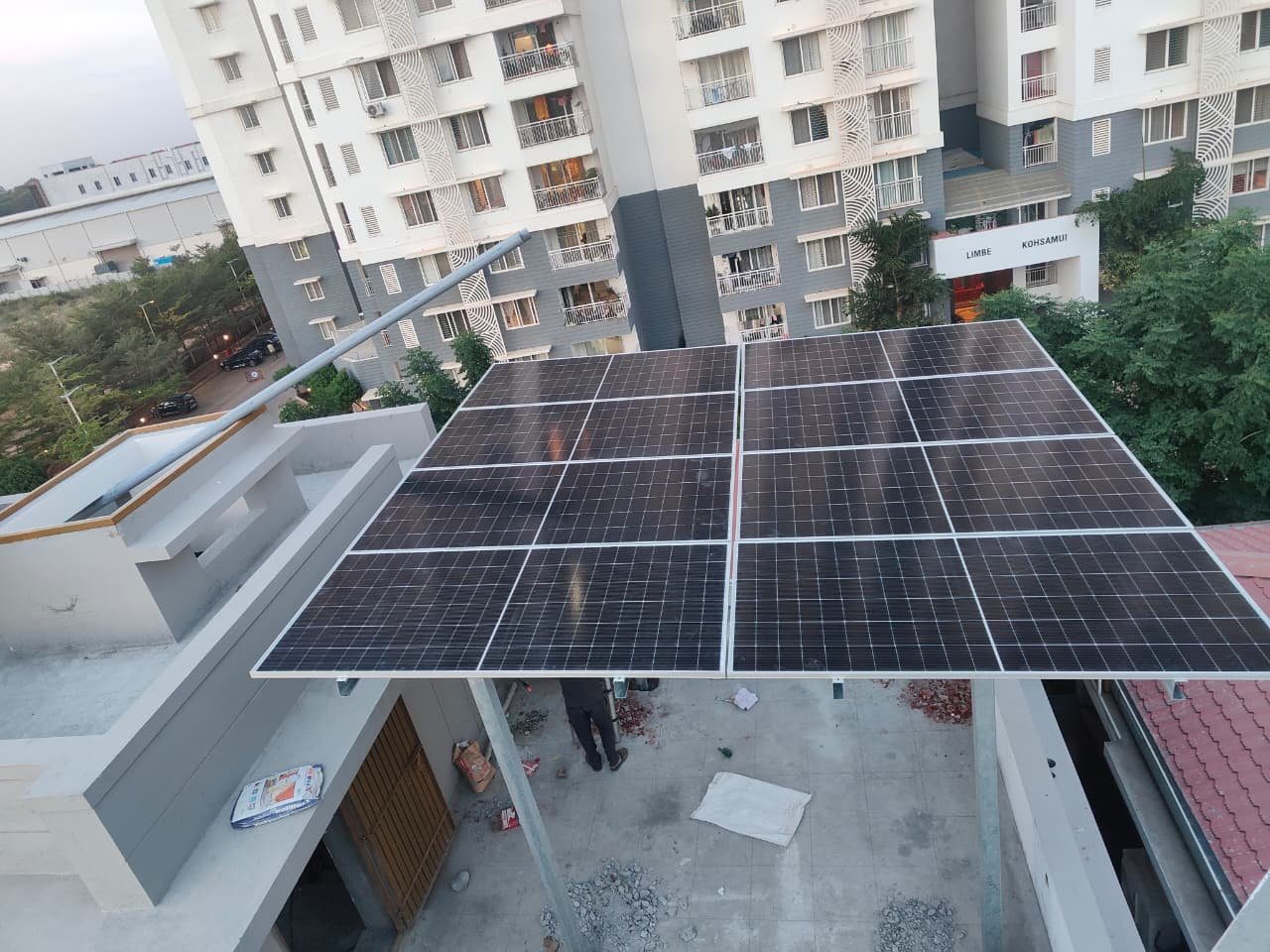
Business complex solar setup
Quality Workmanship

Why Professional Installation Matters

Commercial buildings have occupants, customers and critical services. Poor design or workmanship can cause downtime, safety issues, roof leakage or underperformance. A professional installer coordinates with building management, follows safety practices and tests the system before handover.

Our Approach

Why Choose Aditya Green Energies

  • Professional site assessment before any quotation
  • Engineering-led design based on your load and roof
  • Transparent quotations with clear scope and component details
  • Approval assistance and coordination with building stakeholders
  • Safety-focused execution with minimal disruption to operations
  • Monitoring and after-sales support
  • Local team in Bangalore for site visits and service
Why choose Aditya Green Energies
Common Questions

Frequently Asked Questions

It is the design and installation of a solar PV system on a business property, such as an office, hotel, hospital or mall, to supply part of its electricity. The system runs alongside the grid, reducing the power purchased during business hours.

Cost depends on capacity, equipment brands, roof type, electrical work, battery needs, approvals and monitoring. There is no fixed price that suits every building. We prepare an itemised quotation after a site survey and review of your electricity bills.

Often yes, because offices consume most power during the day when solar generates. Suitability depends on usable roof area, shading, ownership and how much of your load the roof can cover. Tall buildings with small terraces may offset only a portion of demand.

We compare your daytime consumption, sanctioned load and occupancy hours with the shadow-free roof area. The goal is to match generation with actual use rather than oversize. A survey and bill analysis give a reliable recommendation.

It depends on project cost, tariff, daytime consumption, generation and any financial benefits. Businesses using more power in daytime hours generally recover costs faster. We estimate payback using your own consumption data instead of offering a generic figure.

Possibly, with the landlord's written permission, since the system is fixed to the roof. Lease duration matters for payback. Some arrangements involve the property owner investing, or shared savings terms between owner and tenant.

If continuity of power for critical equipment is essential, a hybrid design with batteries or a coordinated backup arrangement is worth evaluating. On-grid solar alone shuts down during outages. We discuss which circuits are critical before recommending a design.

Yes, especially for daytime loads such as laundry, kitchens, air conditioning and common areas. Since these businesses also use power at night, solar typically offsets part of the demand. Solar water heating and hybrid options may also be considered.

It can be, particularly if the store operates through the day and has air conditioning and display lighting. Stores trading mainly in the evening may see lower daytime match. Roof access and landlord permission are important factors in malls and shopping complexes.

Solar power is used on site first. Surplus units may be exported to the grid and adjusted on your bill, subject to applicable rules and capacity limits set by the regulator and DISCOM. Terms can change, so we confirm current provisions during your assessment.

Businesses commonly consider upfront purchase or bank and NBFC loans. Other structures may be available depending on the project. The right choice depends on your cash flow, tax position and ownership of the premises. We help you understand the options.

Eligible businesses may be able to claim provisions such as depreciation on solar assets, depending on current law and entity type. Rules change, so confirm with your chartered accountant. We provide the project documents your advisor may need.

Timelines depend on capacity, approvals, material supply and building access. Smaller rooftop systems may be installed in a few weeks, while larger systems take longer. We share a schedule in the proposal and plan work around your operations.

Most work happens on the roof, so operations typically continue. A brief planned shutdown may be needed for final electrical connection. We coordinate timings with your facility team to minimise inconvenience for staff and customers.

Regular panel cleaning, visual and electrical inspections, inverter checks and monitoring review. Frequency depends on dust and surroundings. An annual maintenance contract can structure these tasks and keep performance on track.

Typically separate warranties apply to modules, inverters, structures and workmanship. Modules often have long performance warranties, while inverters have shorter terms. Specific periods vary by manufacturer and are documented in your quotation.

Yes, solar carports are possible where structural design, clearances and wind loads allow. They generate power while shading vehicles. They usually cost more than rooftop structures because of the steel and foundation work involved.

Solar reduces grid electricity use and can contribute to your renewable energy and carbon-reduction reporting. Monitoring data helps document generation. How it counts in a formal ESG framework depends on that framework's methodology.

The roof should be structurally sound, waterproofed and accessible. We check load capacity, existing equipment, drainage and safe access paths. Repairs may be recommended before installation to prevent leaks and ensure long-term reliability.

Through an online dashboard or inverter portal showing daily generation, faults and comparisons with expected output. Reports can support internal reviews and sustainability documentation. We train your team to use the system at handover.

Rooftop Solar to Help Offices, Hotels, Hospitals and Retail Buildings Manage Energy Costs

We help business owners and facility teams assess feasibility, size the system correctly, manage approvals, and install and maintain solar without disrupting daily operations.